

As a supplier of seawater RO systems, I've witnessed firsthand the growing demand for efficient and sustainable water treatment solutions. Seawater reverse osmosis (RO) systems are at the forefront of desalination technology, providing a reliable source of fresh water from the vast oceans. However, to optimize the performance and efficiency of these systems, integrating them with other water treatment processes is often necessary. In this blog post, I'll explore the various integration methods of a seawater RO system with other water treatment systems and discuss the benefits and challenges associated with each approach.
Pre - treatment Integration
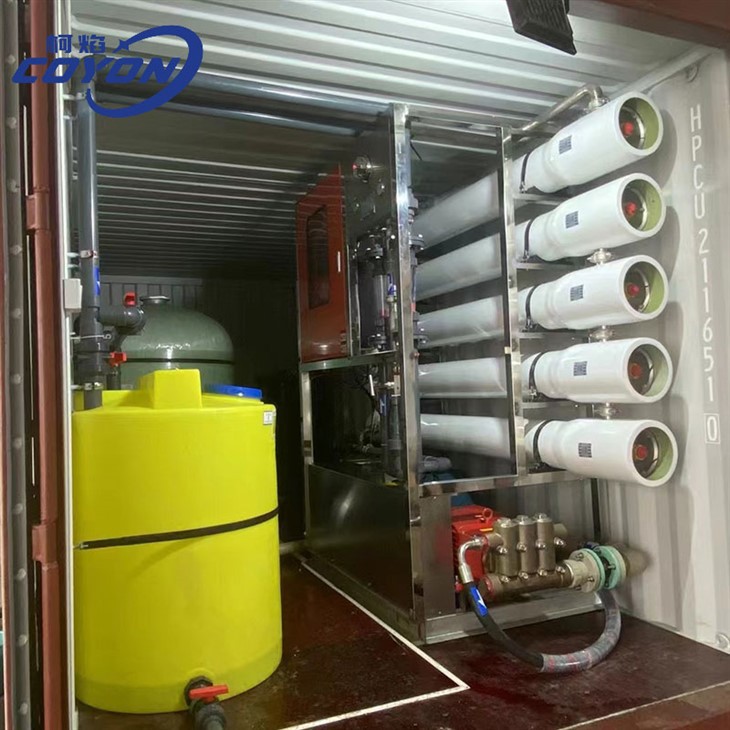
Pre - treatment is a crucial step in any seawater RO system. It helps to remove large particles, organic matter, and microorganisms from the seawater, protecting the RO membranes from fouling and damage. One common pre - treatment method is the use of multimedia filters. These filters consist of multiple layers of different media, such as sand, anthracite, and gravel, which can effectively remove suspended solids. By integrating a multimedia filter system with the seawater RO system, the quality of the feed water to the RO membranes is significantly improved. For example, RO Plant for Sea Water often includes pre - treatment stages like multimedia filters to ensure the smooth operation of the RO system.
Another pre - treatment option is the use of ultrafiltration (UF) membranes. UF membranes have a smaller pore size compared to multimedia filters and can remove smaller particles, colloids, and some bacteria. Integrating a UF system before the seawater RO system can provide an extra layer of protection for the RO membranes, reducing the frequency of membrane cleaning and replacement. The Seawater Desalination RO System can be well - integrated with a UF pre - treatment system to enhance overall system performance.
Post - treatment Integration
After the seawater passes through the RO system, the product water may still require some post - treatment to meet specific quality requirements. One common post - treatment method is remineralization. RO membranes remove most of the minerals from the water, which can make the water corrosive and unpalatable. By adding minerals such as calcium and magnesium back to the water, the water quality can be improved. A remineralization system can be integrated with the seawater RO system to achieve this goal.
Disinfection is another important post - treatment step. Although the RO system can remove many microorganisms, some may still be present in the product water. Chlorination or ultraviolet (UV) disinfection can be used to kill any remaining bacteria and viruses. Integrating a disinfection system with the seawater RO system ensures that the product water is safe for consumption. The Seawater Reverse Osmosis Desalination Plant often includes post - treatment options like remineralization and disinfection to produce high - quality drinking water.
Integration with Wastewater Treatment Systems
In some cases, it may be beneficial to integrate the seawater RO system with a wastewater treatment system. The brine produced by the seawater RO system, which contains a high concentration of salts and other contaminants, can be treated along with the wastewater. One approach is to use evaporation ponds to concentrate the brine further. The concentrated brine can then be mixed with wastewater and treated in a wastewater treatment plant. This not only reduces the environmental impact of the brine discharge but also makes use of the existing wastewater treatment infrastructure.
Another option is to use membrane distillation to treat the brine. Membrane distillation is a thermally driven process that can separate water from the brine using a hydrophobic membrane. The water vapor passes through the membrane and is condensed to produce fresh water, while the concentrated brine can be further treated or disposed of safely. Integrating membrane distillation with the seawater RO system can increase the overall water recovery rate and reduce the amount of brine discharged. The SWRO Desalination Plant can be designed to incorporate such integration methods with wastewater treatment systems.

Challenges in Integration
While integrating a seawater RO system with other water treatment systems offers many benefits, there are also some challenges. One of the main challenges is the compatibility of different systems. For example, the chemicals used in pre - treatment or post - treatment may have an impact on the performance of the RO membranes. It is essential to carefully select the chemicals and ensure that they are compatible with the RO system.
Another challenge is the complexity of the integrated system. Managing multiple treatment processes requires a high level of technical expertise and operational experience. Training the operators and establishing proper maintenance procedures are crucial to ensure the reliable operation of the integrated system.
Benefits of Integration
Despite the challenges, the integration of a seawater RO system with other water treatment systems offers several significant benefits. First, it can improve the overall water quality. By combining different treatment processes, the system can remove a wider range of contaminants, producing water that meets more stringent quality standards.
Second, integration can increase the water recovery rate. For example, by treating the brine using membrane distillation or other methods, more water can be recovered from the seawater, reducing the overall water consumption and environmental impact.
Finally, integration can reduce the operating costs. By sharing the infrastructure and resources between different treatment systems, the overall cost of water treatment can be lowered.
Conclusion
Integrating a seawater RO system with other water treatment systems is a complex but rewarding process. It offers the potential to improve water quality, increase water recovery, and reduce operating costs. As a seawater RO system supplier, we are committed to providing our customers with innovative and efficient integration solutions. If you are interested in learning more about how our seawater RO systems can be integrated with other water treatment systems or if you are considering a purchase, we invite you to contact us for a detailed discussion and to explore the best options for your specific needs.