

As a supplier of seawater RO (Reverse Osmosis) systems, I understand the critical importance of energy efficiency in these systems. Seawater desalination through RO is a vital process for providing clean, fresh water in many regions around the world, but it can be energy - intensive. In this blog, I'll share some effective strategies on how to improve the energy efficiency of a seawater RO system.

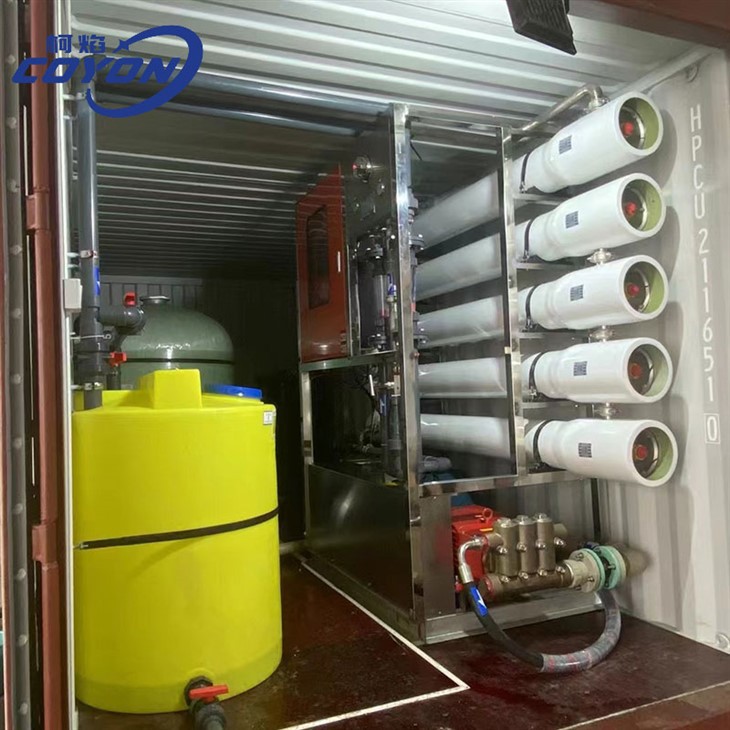
1. Optimize Pretreatment Processes
Pretreatment is the first step in a seawater RO system. It aims to remove suspended solids, organic matter, and microorganisms from the seawater before it enters the RO membranes. An efficient pretreatment process can significantly reduce the fouling and scaling of RO membranes, which in turn reduces the energy required for operation.
- Filtration Systems: Install high - quality multi - media filters and cartridge filters. These filters can remove larger particles from the seawater, preventing them from reaching the RO membranes. Regular maintenance and replacement of filter media are essential to ensure their effectiveness. For example, a well - maintained multi - media filter can remove up to 95% of suspended solids, reducing the load on the RO membranes and the energy needed for pressure application.
- Chemical Pretreatment: Use appropriate chemicals such as anti - scalants and biocides. Anti - scalants prevent the formation of scale on the RO membranes, which can increase the pressure drop and energy consumption. Biocides help control the growth of microorganisms, which can cause biofouling. However, it's important to use these chemicals in the right dosage to avoid over - treatment and potential damage to the membranes.
2. Select High - Efficiency RO Membranes
The RO membranes are the heart of the seawater RO system. Choosing high - efficiency membranes can lead to significant energy savings.
- High - Rejection Membranes: High - rejection membranes can remove a higher percentage of salts and other contaminants from the seawater at a lower operating pressure. This means less energy is required to achieve the desired level of desalination. For instance, some advanced RO membranes can achieve a salt rejection rate of over 99% at relatively low pressures, compared to older membrane models.
- Membrane Configuration: Optimize the membrane configuration in the RO system. Using a proper arrangement of membrane elements can improve the flow distribution and water recovery rate, reducing the overall energy consumption. For example, a two - pass RO system can provide higher water quality and better energy efficiency compared to a single - pass system in some cases.
3. Implement Energy Recovery Devices
Energy recovery is one of the most effective ways to improve the energy efficiency of a seawater RO system. The high - pressure brine leaving the RO membranes contains a significant amount of energy that can be recovered and reused.
- Pressure Exchangers: Pressure exchangers are widely used in seawater RO systems. They transfer the pressure from the high - pressure brine to the incoming seawater, reducing the energy required from the high - pressure pump. For example, a well - designed pressure exchanger can recover up to 95% of the energy from the brine, resulting in substantial energy savings.
- Turbochargers: Turbochargers can also be used to recover energy from the brine. They convert the pressure energy of the brine into mechanical energy, which can be used to drive the high - pressure pump or other equipment in the system.
4. Optimize System Operation and Control
Proper operation and control of the seawater RO system are crucial for energy efficiency.
- Flow and Pressure Control: Continuously monitor and adjust the flow rate and pressure of the system. Maintaining the optimal flow and pressure can ensure that the RO membranes operate at their maximum efficiency. For example, using variable frequency drives (VFDs) on the pumps can adjust the pump speed according to the system demand, reducing energy consumption during periods of low demand.
- Automated Control Systems: Implement automated control systems that can adjust the operation of the system based on real - time data such as water quality, flow rate, and pressure. These systems can optimize the performance of the RO system and reduce energy waste. For instance, an automated system can detect a decrease in membrane performance and adjust the chemical dosing or cleaning schedule accordingly.
5. Regular Maintenance and Monitoring
Regular maintenance and monitoring of the seawater RO system are essential to ensure its long - term energy efficiency.
- Membrane Cleaning: Develop a regular membrane cleaning schedule. Fouled or scaled membranes require higher pressures to operate, increasing energy consumption. Using appropriate cleaning methods and chemicals can restore the membrane performance and reduce energy requirements. For example, a chemical cleaning process can remove stubborn scale and fouling from the membranes, improving their permeability and reducing the pressure drop.
- Equipment Inspection: Regularly inspect and maintain all equipment in the system, including pumps, valves, and energy recovery devices. Faulty equipment can lead to energy losses. For example, a leaky valve can cause a pressure drop, increasing the energy needed to maintain the system pressure.
6. System Design and Layout
The design and layout of the seawater RO system can also affect its energy efficiency.
- Piping Design: Optimize the piping layout to minimize the pressure drop. Short, straight pipes with appropriate diameters can reduce the frictional losses in the system, resulting in lower energy consumption. For example, using larger - diameter pipes can reduce the flow velocity and pressure drop, especially in high - flow sections of the system.
- Plant Location: Consider the location of the seawater RO plant. A plant located closer to the water source can reduce the energy required for water intake. Additionally, choosing a location with a stable water temperature can also improve the performance of the RO system, as the membrane performance is affected by temperature.
In conclusion, improving the energy efficiency of a seawater RO system requires a comprehensive approach that includes optimizing pretreatment processes, selecting high - efficiency membranes, implementing energy recovery devices, optimizing system operation and control, regular maintenance and monitoring, and proper system design and layout. By implementing these strategies, we can significantly reduce the energy consumption of seawater RO systems, making them more sustainable and cost - effective.
If you are interested in our SWRO Desalination Plant, RO Plant for Sea Water, or Seawater Desalination RO System, and want to discuss how to improve the energy efficiency of your seawater RO system, please feel free to contact us for further procurement and negotiation.
References
- Elimelech, M., & Phillip, W. A. (2011). The future of seawater desalination: energy, technology, and the environment. Science, 333(6043), 712 - 717.
- Greenlee, L. F., Lawler, D. F., Freeman, B. D., Marrot, B., & Moulin, P. (2009). Reverse osmosis desalination: Water sources, technology, and today's challenges. Water research, 43(9), 2317 - 2348.
- Lienhard V, J. H., & Elimelech, M. (2016). Where is the energy in desalination? A thermodynamic analysis of energy requirements, recovery, and efficiency. Desalination, 390, 1 - 13.