

As a supplier of resin softeners, ensuring the safe transportation of these valuable products is of utmost importance. Resin softeners play a crucial role in water treatment processes, removing hardness-causing ions such as calcium and magnesium from water. In this blog post, I will share some essential tips and best practices on how to transport a resin softener safely.
Understanding the Resin Softener
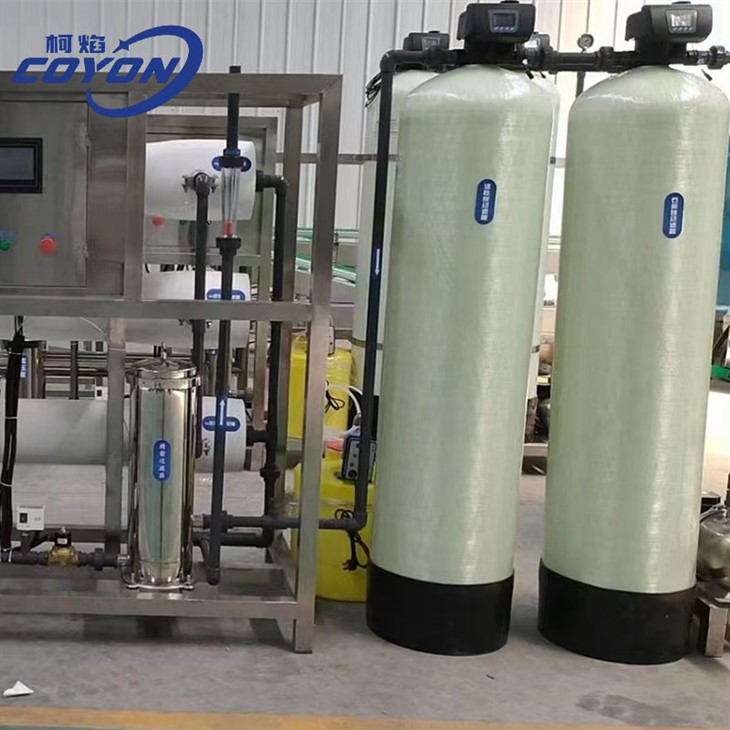
Before delving into the transportation process, it is essential to have a clear understanding of the resin softener. Resin softeners typically consist of a resin tank filled with ion-exchange resin, a control valve, and sometimes additional components such as brine tanks. The resin itself is a sensitive material that can be damaged by physical impact, extreme temperatures, and exposure to moisture.

Pre - Transportation Preparation
Inspection
Before shipping the resin softener, conduct a thorough inspection. Check for any visible damage to the tank, valves, or other components. Ensure that all connections are tight and that there are no signs of leaks. If any issues are detected, address them before transportation to prevent further damage during transit.
Cleaning
Clean the resin softener to remove any dirt, debris, or residual water. A clean unit is less likely to develop corrosion or other problems during transportation. Make sure to dry the interior and exterior of the resin tank and other components thoroughly.
Protection of Components
Protect the sensitive components of the resin softener. For example, cover the control valve with a protective cap or wrapping to prevent it from being damaged by impacts or vibrations. Use foam padding or other cushioning materials to protect the resin tank from scratches and dents.
Packaging
Selecting the Right Packaging Materials
Choose appropriate packaging materials based on the size and weight of the resin softener. For smaller units, corrugated cardboard boxes with adequate cushioning can be sufficient. Larger resin softeners may require wooden crates for better protection. The packaging should be strong enough to withstand the rigors of transportation, including handling, stacking, and potential impacts.
Cushioning
Place sufficient cushioning material inside the packaging. Foam inserts, bubble wrap, or packing peanuts can help absorb shocks and vibrations during transit. Make sure the resin softener is firmly held in place within the packaging to prevent it from moving around.
Sealing
Seal the packaging securely to prevent dust, moisture, and other contaminants from entering. Use high - quality packing tape or other sealing methods to ensure the integrity of the package.
Temperature and Humidity Considerations
Temperature Range
Resin softeners are sensitive to temperature changes. Extreme heat can cause the resin to expand and potentially damage the tank, while extreme cold can make the resin brittle. Try to maintain the temperature within the recommended range during transportation. If necessary, use insulated packaging or climate - controlled transportation methods.
Humidity Control
High humidity can lead to the growth of mold and mildew on the resin and other components of the softener. To prevent this, use desiccant packs inside the packaging to absorb excess moisture. Avoid storing or transporting the resin softener in areas with high humidity.
Transportation Mode
Road Transportation
When transporting resin softeners by road, ensure that the vehicle is in good condition and has proper suspension to minimize vibrations. Secure the package firmly in the vehicle to prevent it from shifting during transit. If possible, use a dedicated truck for transporting resin softeners to avoid potential damage from other cargo.
Rail Transportation
For long - distance transportation, rail can be a cost - effective option. However, the resin softener should be properly packaged and secured in the railcar. Be aware of the potential for rough handling during loading and unloading at rail terminals.
Air Transportation
Air transportation is the fastest option but also has some limitations. The resin softener must comply with airline regulations regarding size, weight, and packaging. Additionally, the cost of air transportation can be relatively high.
Handling During Loading and Unloading
Trained Personnel
Ensure that the loading and unloading are carried out by trained personnel. They should be familiar with the proper handling techniques for resin softeners to avoid dropping or mishandling the package.
Use of Appropriate Equipment
Use appropriate equipment such as forklifts or pallet jacks for loading and unloading. Make sure the equipment is in good working condition and that the operators are properly trained.
Insurance
It is advisable to obtain insurance for the resin softener during transportation. This can provide financial protection in case of damage or loss during transit. Work with a reputable insurance provider and ensure that the policy covers all potential risks associated with the transportation of the resin softener.
Post - Transportation Inspection
Once the resin softener arrives at its destination, conduct another inspection. Check for any signs of damage that may have occurred during transportation. If any issues are found, document them thoroughly and contact the transportation carrier and insurance provider as soon as possible.
As a supplier, we are committed to providing high - quality resin softeners and ensuring their safe transportation. Our Resin Filter Water Softener is designed to meet the diverse needs of our customers, offering efficient water softening solutions. Our Resin Water Filter is another reliable product that can effectively remove impurities from water. And our Water Softener Resin Tank is built to last, providing a stable environment for the ion - exchange resin.
If you are interested in purchasing our resin softeners or have any questions about transportation or our products, we encourage you to contact us for further discussion. We look forward to the opportunity to work with you and provide you with the best water treatment solutions.
References
- American Water Works Association. Water Quality and Treatment: A Handbook of Community Water Supplies.
- National Fire Protection Association. NFPA Codes and Standards related to the storage and transportation of industrial equipment.
- International Air Transport Association (IATA) Dangerous Goods Regulations (if applicable for air transportation).