

Hey there! As a supplier of Resin Filter Water Softeners, I often get asked all sorts of questions about what our products can and can't do. One question that's been popping up a lot lately is, "Can a resin filter water softener remove mercury from water?" Let's dive into this topic and find out.
First off, let's understand what a resin filter water softener is. A Resin Filter Water Softener is a device that uses resin beads to remove hardness-causing minerals like calcium and magnesium from water. The resin beads are charged with sodium ions. When hard water passes through the resin tank, the calcium and magnesium ions in the water stick to the resin beads, and the sodium ions are released into the water. This process is called ion exchange, and it's what makes the water "soft."
Now, onto mercury. Mercury is a heavy metal that can be present in water sources due to industrial pollution, mining activities, or natural deposits. It's a serious concern because even small amounts of mercury in drinking water can have harmful effects on human health, including damage to the nervous system, kidneys, and lungs. So, it's super important to know if our resin filter water softeners can help get rid of it.
The short answer is, it depends. Resin filter water softeners are primarily designed to remove hardness minerals, not heavy metals like mercury. The ion exchange process that works so well for calcium and magnesium doesn't necessarily work the same way for mercury. Mercury exists in different forms in water - elemental mercury, inorganic mercury compounds, and organic mercury compounds. Each form has different chemical properties, and the resin beads in a water softener may not be able to capture all of them effectively.
However, there are some types of ion exchange resins that are specifically designed to target heavy metals, including mercury. These specialty resins have a higher affinity for mercury ions and can bind to them during the ion exchange process. If you're dealing with water that has mercury contamination, you might want to consider using a Resin Water Filter with a specialty resin.
Here's how it could work. The mercury ions in the water would be attracted to the charged sites on the specialty resin beads. Just like with the calcium and magnesium ions in a regular water softener, the mercury ions would exchange places with the ions on the resin beads. This way, the mercury gets removed from the water and trapped on the resin.
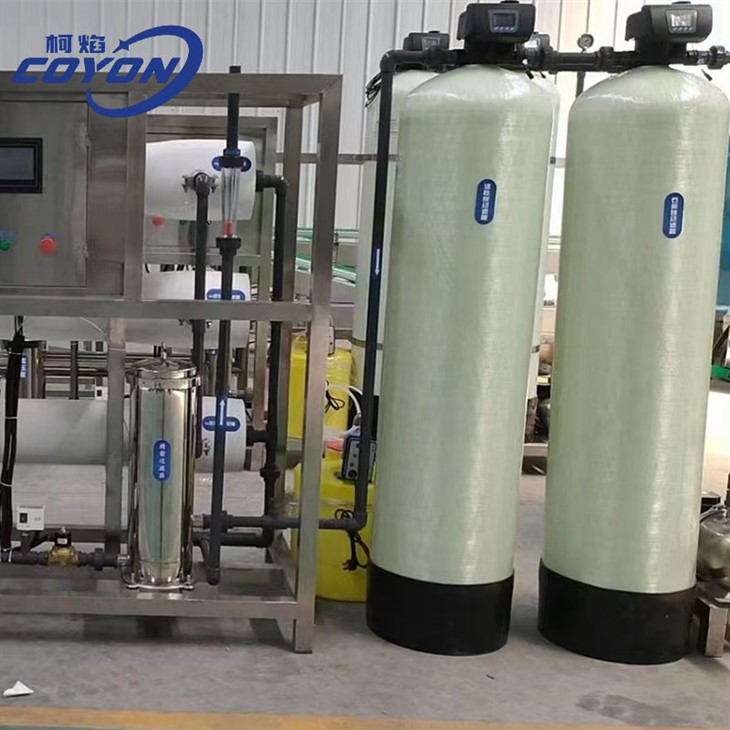

But it's important to note that even with a specialty resin, there are limitations. The effectiveness of the resin in removing mercury depends on several factors. One of the main factors is the concentration of mercury in the water. If the mercury levels are extremely high, the resin may become saturated quickly, and its ability to remove more mercury will decrease.
Another factor is the form of mercury. As I mentioned earlier, different forms of mercury have different chemical properties. Some forms may be more difficult to remove than others. For example, organic mercury compounds are often more challenging to capture with ion exchange resins compared to inorganic mercury compounds.
The pH level of the water also plays a role. The ion exchange process works best within a certain pH range. If the water is too acidic or too alkaline, it can affect the performance of the resin and reduce its ability to remove mercury.
So, if you're worried about mercury in your water, it's a good idea to have your water tested first. This will give you an accurate idea of the mercury concentration and the form of mercury present in your water. Based on the test results, you can decide if a resin filter water softener with a specialty resin is the right solution for you.
If you're considering buying a Water Softener Resin Tank or a Resin Filter Water Softener for mercury removal, keep in mind that proper maintenance is crucial. Over time, the resin will need to be regenerated or replaced. Regeneration involves flushing the resin with a salt solution to remove the ions that have been trapped on the resin during the ion exchange process. This restores the resin's ability to continue removing contaminants.
In some cases, a resin filter water softener may not be enough on its own to completely remove mercury from water. You might need to combine it with other water treatment methods, such as activated carbon filtration or reverse osmosis. These methods can target other contaminants that the resin filter may not be able to remove effectively.
If you're in the market for a Resin Filter Water Softener and want to know more about its mercury removal capabilities, don't hesitate to reach out. We're here to help you find the best solution for your water treatment needs. Whether you're dealing with hard water, mercury contamination, or other water quality issues, our team of experts can provide you with the information and support you need.
In conclusion, while a regular resin filter water softener may not be the best option for removing mercury from water, a system with a specialty resin can be effective under the right conditions. It's important to understand the limitations and to consider other factors like water chemistry and mercury concentration. If you have any questions or need further advice, feel free to get in touch. We're always happy to assist you in making an informed decision about your water treatment system.
Let's start a conversation and see how our Resin Filter Water Softeners can work for you. Whether it's for a residential property or a commercial application, we've got the products and expertise to meet your needs.