

Hey there! As a supplier of seawater RO systems, I often get asked about how the energy recovery device works in a seawater RO (Reverse Osmosis) system. So, let's dive right into it!
First off, let me give you a quick rundown on seawater RO systems. These systems are super important for getting fresh water from seawater. You can find more about them on our pages like Seawater Reverse Osmosis Desalination Plant, SWRO Desalination Plant, Seawater Desalination RO System, and RO Plant for Sea Water. They use a semi - permeable membrane to separate salt and other impurities from water. But here's the deal: pushing seawater through that membrane takes a whole lot of energy. That's where the energy recovery device comes in.
What's the Big Deal with Energy in a Seawater RO System?
Seawater has a high salt concentration. To force the water through the RO membrane and get fresh water, we need to apply a really high pressure, usually around 50 - 80 bar. Running a pump to create this high pressure uses a ton of electricity, which makes the desalination process expensive. And let's face it, no one wants to pay sky - high bills for water, right?
How Energy Recovery Devices Save the Day
The energy recovery device is like a little hero in the seawater RO system. It captures the energy from the high - pressure brine (the salty water that doesn't pass through the membrane) and uses it to pre - pressurize the incoming seawater. This way, the main pump doesn't have to work as hard, and we save a whole lot of energy.
There are mainly two types of energy recovery devices commonly used in seawater RO systems: Pelton wheel turbines and pressure exchangers.
Pelton Wheel Turbines
Pelton wheel turbines have been around for a while. They work kind of like a water wheel. The high - pressure brine is directed at the buckets of the Pelton wheel. As the brine hits the buckets, it causes the wheel to spin. This spinning motion is then converted into electrical energy using a generator. The electrical energy can then be used to power other parts of the RO system or even the main pump. However, Pelton wheel turbines have some limitations. They tend to be less efficient compared to pressure exchangers, especially at low flow rates. Also, they have more moving parts, which means more maintenance and a higher chance of breakdowns.

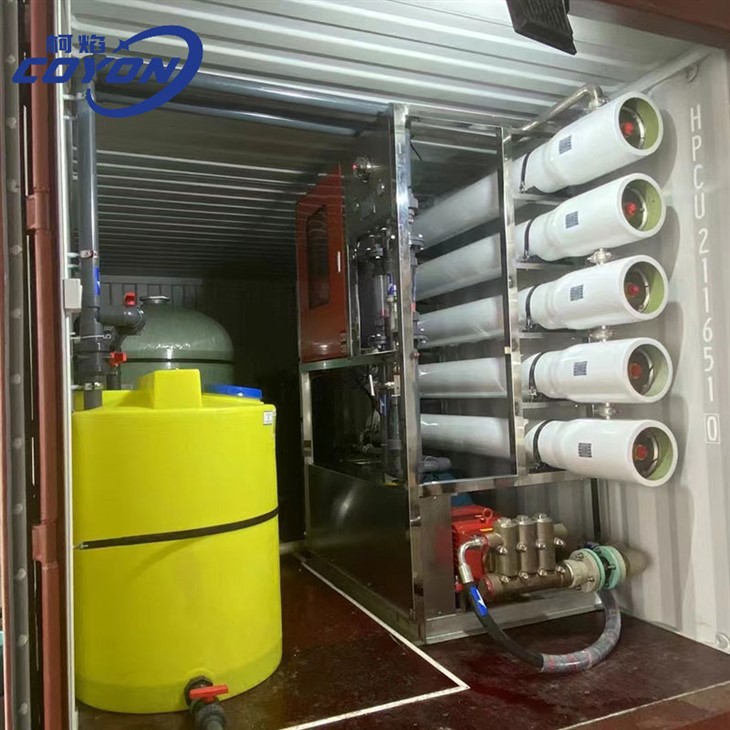
Pressure Exchangers
Pressure exchangers are a more modern and efficient option. They directly transfer the pressure from the high - pressure brine to the incoming seawater. There are two main types of pressure exchangers: rotary and piston - type.
Let's start with rotary pressure exchangers. They have a rotating cylindrical rotor with channels inside. The high - pressure brine and the low - pressure seawater enter the exchanger from opposite ends. As the rotor spins, the channels align with the inlets and outlets, allowing the high - pressure brine to transfer its pressure to the seawater. The pre - pressurized seawater then moves on to the main pump, and the low - pressure brine is discharged. Rotary pressure exchangers are super efficient, with energy recovery rates of up to 98%. They also have fewer moving parts compared to Pelton wheel turbines, which means less maintenance and a longer lifespan.
Piston - type pressure exchangers work a bit differently. They use pistons to transfer the pressure. The high - pressure brine pushes the piston, which in turn pushes the low - pressure seawater, increasing its pressure. Like rotary pressure exchangers, they can also achieve high energy recovery rates, but they are a bit more complex in design.
Benefits of Using Energy Recovery Devices
The most obvious benefit is the huge reduction in energy consumption. By recovering and reusing the energy from the brine, we can cut down the energy requirements of the seawater RO system by a significant amount. This not only saves money on electricity bills but also makes the desalination process more environmentally friendly.
Another benefit is that it allows the RO system to operate more efficiently. With less load on the main pump, it can run more smoothly and have a longer lifespan. This means less downtime for maintenance and more consistent production of fresh water.
Practical Considerations
When choosing an energy recovery device for a seawater RO system, there are a few things to keep in mind. First, you need to consider the flow rate of the system. Different devices work better at different flow rates. For example, rotary pressure exchangers are great for large - scale systems with high flow rates, while piston - type pressure exchangers can be a good option for smaller systems.
You also need to think about the space available. Some devices, like Pelton wheel turbines, can take up more space compared to pressure exchangers. And of course, you need to consider the cost. While pressure exchangers are more efficient, they can also be more expensive upfront. But in the long run, the energy savings usually make up for the higher initial cost.
Conclusion
So, there you have it! The energy recovery device is an essential part of a seawater RO system. It helps us save energy, reduce costs, and make the desalination process more sustainable. If you're in the market for a seawater RO system and want to learn more about how these energy recovery devices can benefit your project, don't hesitate to reach out. We can discuss your specific needs and find the best solution for you. Whether it's a small - scale system for a remote island or a large - scale industrial plant, we've got you covered.
So, if you're interested in our seawater RO systems and want to start a discussion about purchasing and customizing a system for your specific requirements, just let us know. We're here to help you get the most out of your desalination project.