

Hey there! I'm a supplier of Water Softener Resin Tanks, and today I'm gonna share with you all the tools you need to install one. Whether you're a DIY enthusiast or a professional plumber, having the right tools can make the installation process a whole lot smoother.
First off, let's talk about the basic hand tools. You'll definitely need a good set of wrenches. A combination wrench set is a great choice because it includes both open - end and box - end wrenches. You'll use these to tighten and loosen nuts and bolts during the installation. For example, when connecting the pipes to the resin tank, you'll need to use wrenches to ensure a proper and leak - free connection. Make sure to have a variety of sizes, as different parts of the water softener system may require different wrench sizes.
Another essential hand tool is a screwdriver set. You'll encounter screws in various places, like when attaching control valves or access panels. A set that includes both flat - head and Phillips - head screwdrivers is a must. You don't want to be in the middle of the installation and realize you don't have the right type of screwdriver for the job.
Pliers are also crucial. Needle - nose pliers can be used to reach into tight spaces and hold small parts in place. They're great for things like bending wires or holding onto small nuts and bolts. Slip - joint pliers, on the other hand, are more versatile and can be adjusted to fit different sizes of objects. You can use them to grip pipes or other components firmly.
Now, let's move on to power tools. A drill is very handy, especially if you need to make holes in the wall or other surfaces for mounting the water softener resin tank. Make sure to use the appropriate drill bits for the material you're working with. For example, if you're drilling into wood, a standard wood drill bit will do. But if it's concrete or metal, you'll need specialized drill bits.
A pipe cutter is a must - have for cutting pipes to the right length. There are different types of pipe cutters, such as manual and electric ones. Manual pipe cutters are suitable for smaller pipes and are more affordable. Electric pipe cutters, on the other hand, are faster and can handle larger pipes, but they're a bit more expensive.
A soldering iron or torch is needed if you're working with copper pipes. When connecting copper pipes, you'll use solder to create a strong and leak - free joint. You'll need to heat the pipes with the soldering iron or torch and then apply the solder. It's important to follow the proper safety procedures when using these tools, as they can get very hot.
Next, we have measuring tools. A tape measure is essential for measuring the space where you'll install the water softener resin tank. You need to make sure the tank will fit properly and that there's enough clearance around it for maintenance. A level is also important to ensure that the tank is installed perfectly horizontal or vertical, depending on the requirements. This helps in the proper functioning of the water softener system.
For sealing and insulation, you'll need Teflon tape. Wrap the Teflon tape around the threads of pipes and fittings before connecting them. This helps to create a tight seal and prevents leaks. Pipe insulation is also a good idea, especially if the water softener is installed in an area where the pipes could freeze. It helps to keep the water in the pipes from freezing and causing damage.
Now, let's talk about some of the specialized tools. A water pressure gauge is useful for checking the water pressure in your plumbing system. You need to make sure that the water pressure is within the recommended range for the water softener resin tank. If the pressure is too high or too low, it can affect the performance of the system.
A water flow meter can also be helpful. It allows you to measure the flow rate of water through the system. This is important for ensuring that the water softener is working efficiently and that it's sized correctly for your household's water usage.
If you're installing a Resin Filter Water Softener, you may need some additional tools specific to its design. Some resin filter water softeners have unique components that require special tools for installation and maintenance.
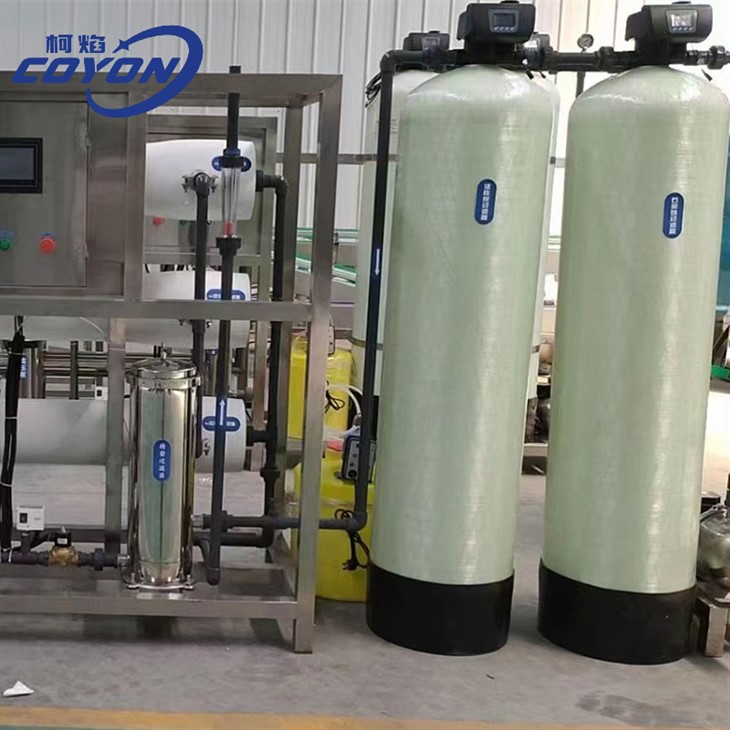

Similarly, for a Resin Water Filter, there could be specific tools needed to access and replace the filter elements. Make sure to check the manufacturer's instructions for any special tools or procedures.
Of course, when it comes to the star of the show, the Water Softener Resin Tank, you'll need to handle it with care. You may need a lifting device, like a hand truck or a small hoist, to move the tank into place. The tank can be quite heavy, especially when it's filled with resin, so having the right equipment to lift and position it safely is crucial.
In conclusion, installing a water softener resin tank requires a variety of tools. From basic hand tools to specialized measuring and power tools, each one plays an important role in ensuring a successful installation. If you're not confident in your DIY skills, it's always a good idea to hire a professional plumber. But if you're up for the challenge, having the right tools and following the manufacturer's instructions will help you get the job done right.
If you're in the market for a high - quality water softener resin tank or any related products, I'd love to have a chat with you. Whether you have questions about installation, product features, or pricing, feel free to reach out and start a procurement discussion. I'm here to help you find the best solution for your water softening needs.
References
- General plumbing handbooks
- Manufacturer's installation guides for water softener resin tanks