

Hey there! As a supplier of seawater RO systems, I often get asked about the chemical cleaning process for these systems. It's a crucial part of maintaining the efficiency and longevity of your RO system, so I thought I'd share some insights.
First off, let's understand why chemical cleaning is necessary. Seawater RO systems are designed to remove salts, minerals, and other impurities from seawater to produce fresh water. Over time, however, the membranes in the RO system can get fouled by various substances such as scale, organic matter, and biological growth. This fouling can reduce the system's performance, increase energy consumption, and even damage the membranes if not addressed.
The chemical cleaning process typically involves several steps:
Step 1: System Evaluation
Before starting the cleaning process, it's important to evaluate the condition of the RO system. This includes checking the system's performance data, such as permeate flow rate, salt rejection, and pressure drop across the membranes. By analyzing this data, you can determine the type and extent of fouling and select the appropriate cleaning chemicals.
Step 2: Pre - cleaning Flush
The first physical step is to perform a pre - cleaning flush. This involves flushing the system with clean water to remove any loose debris and particles. This helps to prevent the debris from getting trapped in the membranes during the chemical cleaning process.
Step 3: Chemical Selection
Choosing the right cleaning chemicals is crucial. For scale removal, acids like citric acid or hydrochloric acid are commonly used. These acids can dissolve calcium carbonate, calcium sulfate, and other scale - forming salts. For organic and biological fouling, alkaline cleaners such as sodium hydroxide or potassium hydroxide are effective. They can break down organic matter and kill bacteria.
Step 4: Cleaning Solution Preparation
Once you've selected the appropriate chemicals, you need to prepare the cleaning solution. Follow the manufacturer's instructions carefully to ensure the correct concentration of the chemicals. The solution should be mixed in a clean tank using deionized or RO - permeate water to avoid introducing additional impurities.
Step 5: Circulation of the Cleaning Solution
The cleaning solution is then circulated through the RO system at a controlled flow rate and pressure. The circulation time can vary depending on the severity of the fouling, but it usually ranges from 1 to 4 hours. During this time, the chemicals work to dissolve and remove the fouling from the membranes.
Step 6: Soaking
After the initial circulation, the cleaning solution is often left to soak in the system for a period of time. This allows the chemicals to penetrate deeper into the fouling layers and break them down more effectively.
Step 7: Rinse
Once the soaking period is over, the system is rinsed thoroughly with clean water to remove all traces of the cleaning chemicals. This is important because any residual chemicals can damage the membranes or contaminate the product water.
Step 8: Post - cleaning Testing
After the rinse, the system's performance is tested again to ensure that the cleaning process has been successful. This includes checking the permeate flow rate, salt rejection, and pressure drop. If the performance has not improved to the desired level, the cleaning process may need to be repeated.

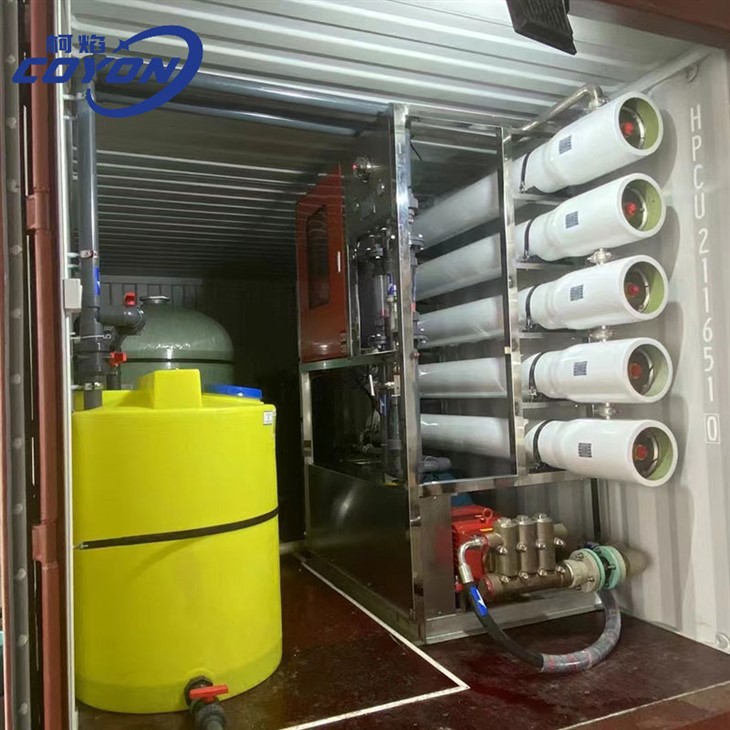
Now, let's talk about some best practices for chemical cleaning:
- Regular Monitoring: Keep a close eye on the system's performance parameters to detect fouling early. This allows you to perform cleaning before the fouling becomes severe.
- Proper Chemical Handling: Always follow the safety guidelines when handling cleaning chemicals. Wear appropriate protective equipment, such as gloves and goggles, and store the chemicals in a safe place.
- Record Keeping: Maintain a detailed record of all cleaning activities, including the type of chemicals used, the cleaning time, and the system's performance before and after cleaning. This helps you to track the effectiveness of the cleaning process and make adjustments if necessary.
As a seawater RO system supplier, we offer high - quality Seawater Desalination RO System that are designed to be easy to clean and maintain. Our SWRO Desalination Plant and RO Plant for Sea Water are equipped with advanced membranes and control systems to ensure optimal performance.
If you're in the market for a seawater RO system or need more information about the chemical cleaning process, don't hesitate to reach out. We're here to help you make the right choice for your water treatment needs. Whether you're a small - scale user or a large industrial facility, we have the expertise and products to meet your requirements.
In conclusion, the chemical cleaning process for a seawater RO system is a vital part of its maintenance. By following the proper steps and best practices, you can keep your system running efficiently and extend its lifespan. So, if you're looking for a reliable seawater RO system and want to ensure its long - term performance, get in touch with us. We'll be happy to discuss your needs and provide you with the best solutions.