

When it comes to ensuring the quality of our water, water softening is a crucial process, especially in areas with hard water. Hard water, characterized by high concentrations of calcium and magnesium ions, can cause a multitude of problems, from limescale buildup in pipes and appliances to reduced effectiveness of soaps and detergents. As a supplier of Water Softener Resin Tanks, I've witnessed firsthand the impact of different water softening methods. In this blog, I'll compare the water softener resin tank with other popular water softening techniques, highlighting the unique advantages and limitations of each.
Understanding Water Softening
Before delving into the comparison, it's essential to understand the basic concept of water softening. The primary goal of water softening is to remove or reduce the concentration of calcium and magnesium ions in water. These ions are responsible for the hardness of water and can lead to various issues, such as scaling in pipes and appliances, reduced soap lathering, and increased energy consumption.
Water Softener Resin Tank
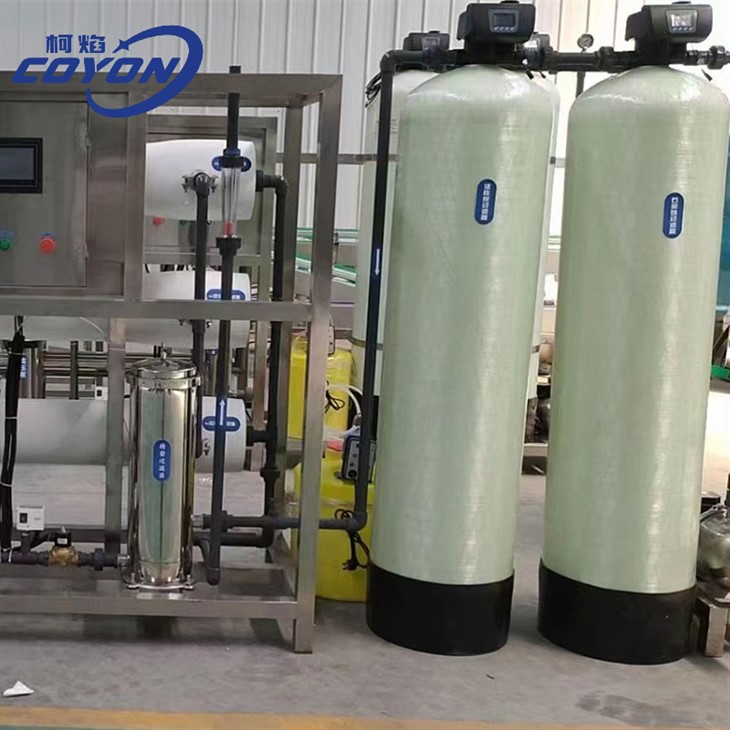
A water softener resin tank is a key component of a traditional ion exchange water softening system. The tank is filled with resin beads, which are small, porous spheres made of a synthetic polymer. These resin beads are coated with sodium ions. When hard water passes through the resin tank, the calcium and magnesium ions in the water are attracted to the resin beads and replace the sodium ions through an ion exchange process. As a result, the water that exits the resin tank is softened, containing sodium ions instead of calcium and magnesium ions.
One of the significant advantages of a water softener resin tank is its high efficiency in removing hardness from water. It can effectively reduce the concentration of calcium and magnesium ions to very low levels, providing soft water for various household and industrial applications. Additionally, resin tank systems are relatively easy to install and maintain. Regular regeneration of the resin beads with a salt solution restores their ion exchange capacity, ensuring continuous softening performance.
Another benefit is the long - term cost - effectiveness. Although the initial investment in a water softener resin tank system may be relatively high, the savings in terms of reduced appliance maintenance, lower energy consumption, and longer lifespan of plumbing fixtures can offset the upfront cost over time. For more information about water softener resin tanks, you can visit Water Softener Resin Tank.

Other Water Softening Methods
Salt - Free Water Conditioners
Salt - free water conditioners are an alternative to traditional ion exchange water softeners. These devices use a variety of technologies, such as template - assisted crystallization (TAC) or electromagnetic fields, to change the physical properties of calcium and magnesium ions in water. Instead of removing the ions, salt - free water conditioners prevent them from forming scale deposits.
One of the main advantages of salt - free water conditioners is that they do not add sodium to the water, which is beneficial for individuals on low - sodium diets. They are also more environmentally friendly as they do not produce brine waste during the regeneration process. However, salt - free water conditioners do not actually soften the water in the traditional sense. They only condition the water to reduce scale formation, and they may not be as effective in areas with extremely hard water.
Reverse Osmosis (RO) Systems
Reverse osmosis is a highly effective water purification method that can also be used for water softening. An RO system uses a semi - permeable membrane to remove a wide range of contaminants from water, including calcium and magnesium ions. Water is forced through the membrane under pressure, and the contaminants are left behind on the other side of the membrane.
RO systems can produce very high - quality, pure water. They are capable of removing not only hardness but also other impurities such as heavy metals, bacteria, and viruses. However, RO systems are relatively expensive to install and operate. They require a significant amount of water to be wasted during the filtration process, and the membranes need to be replaced periodically. Additionally, RO systems remove all minerals from the water, which may not be desirable for some applications as some minerals are beneficial for health.
Magnetic Water Softeners
Magnetic water softeners use magnetic fields to alter the behavior of calcium and magnesium ions in water. The idea behind these devices is that the magnetic field causes the ions to clump together, preventing them from adhering to surfaces and forming scale.
Magnetic water softeners are easy to install and do not require any chemicals or salt. They are also relatively inexpensive compared to other water softening methods. However, the effectiveness of magnetic water softeners is still a subject of debate. Many scientific studies have shown that magnetic water softeners may not be as effective as traditional ion exchange systems in reducing water hardness and preventing scale formation.
Comparison of Key Factors
Softening Efficiency
In terms of softening efficiency, the water softener resin tank outperforms most other methods. It can achieve a high degree of water softening by effectively removing calcium and magnesium ions. Salt - free water conditioners, on the other hand, only condition the water to reduce scale formation and do not truly soften it. RO systems can remove hardness but also remove other beneficial minerals, while magnetic water softeners have questionable effectiveness in reducing hardness.
Cost
The initial cost of a water softener resin tank system can be relatively high, but it offers long - term cost savings. Salt - free water conditioners are generally less expensive to purchase and operate, but they may not provide the same level of performance. RO systems are the most expensive to install and maintain due to the cost of membranes and high water wastage. Magnetic water softeners are the least expensive but may not be a reliable solution for hard water problems.
Environmental Impact
Water softener resin tank systems produce brine waste during the regeneration process, which can have an environmental impact if not properly managed. Salt - free water conditioners are more environmentally friendly as they do not produce brine waste. RO systems waste a significant amount of water during the filtration process, which is a concern in areas with water scarcity. Magnetic water softeners have a minimal environmental impact as they do not use chemicals or produce waste.
Maintenance
Water softener resin tank systems require regular regeneration of the resin beads with a salt solution and occasional replacement of the resin beads. Salt - free water conditioners typically have low maintenance requirements, usually only requiring occasional filter changes. RO systems need regular membrane replacement and careful monitoring of water pressure and quality. Magnetic water softeners generally have very low maintenance requirements as they have no moving parts or consumable components.
Conclusion
Each water softening method has its own set of advantages and limitations. As a supplier of water softener resin tanks, I believe that resin tank systems offer a well - rounded solution for most water softening needs. They provide high - efficiency softening, long - term cost savings, and relatively easy maintenance. However, the choice of water softening method ultimately depends on various factors, such as the hardness of the water, budget, environmental concerns, and specific application requirements.
If you are considering a water softening solution and want to learn more about our water softener resin tanks or other related products like Resin Water Filter and Resin Filter Water Softener, I encourage you to contact us for a detailed discussion. Our team of experts can help you choose the most suitable water softening system for your needs and provide professional advice on installation, maintenance, and operation.
References
- "Water Treatment Handbook" by Degremont.
- "The Science of Water Softening" - Journal of Water Quality Research.
- "Comparative Study of Water Softening Technologies" - International Journal of Environmental Science and Technology.