

Hard water is a common issue in many households, characterized by high concentrations of minerals such as calcium and magnesium. These minerals can cause a variety of problems, from limescale buildup in pipes and appliances to reduced soap efficiency and skin irritation. As a home RO (Reverse Osmosis) system supplier, I've witnessed firsthand how these systems can effectively handle hard water and transform the quality of your home's water supply.

Understanding Hard Water
Before delving into how home RO systems tackle hard water, it's essential to understand what hard water is and why it's a concern. Hard water is formed when water percolates through deposits of limestone, chalk, or gypsum, which are largely made up of calcium and magnesium carbonates, bicarbonates, and sulfates. The presence of these minerals can lead to several undesirable effects:
- Limescale Buildup: Over time, calcium and magnesium minerals can accumulate in pipes, water heaters, and other appliances, reducing their efficiency and lifespan. Limescale can also clog showerheads and faucets, leading to reduced water flow.
- Soap Inefficiency: Hard water can react with soap to form a sticky scum, reducing its ability to lather and clean effectively. This can result in the need for more soap and detergent, increasing cleaning costs.
- Skin and Hair Issues: The minerals in hard water can strip the skin and hair of their natural oils, leading to dryness, irritation, and dullness.
How Reverse Osmosis Works
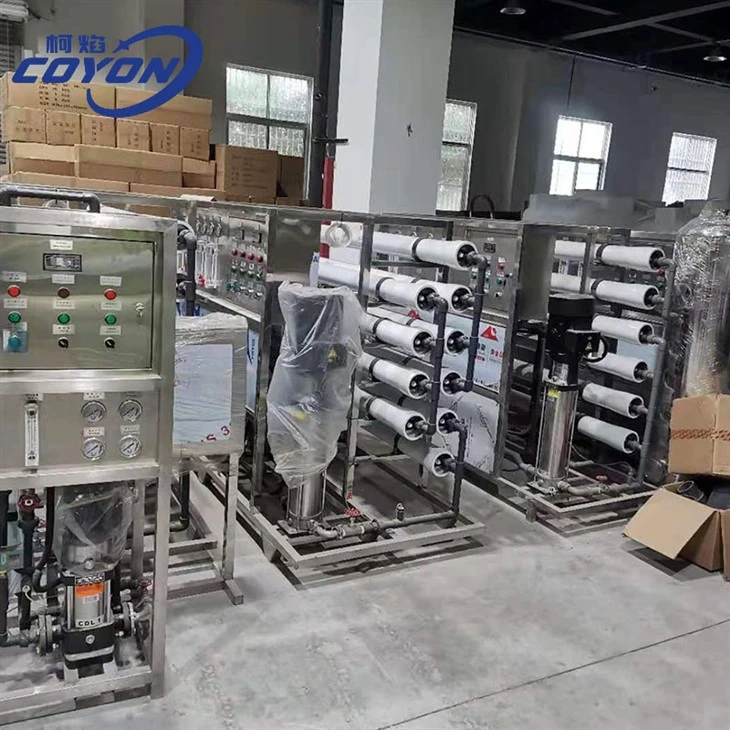
Reverse osmosis is a water purification process that uses a semi-permeable membrane to remove contaminants from water. The process works by applying pressure to the water, forcing it through the membrane while leaving behind impurities such as minerals, salts, and other dissolved solids.
A home RO system typically consists of several components, including a pre-filter, a reverse osmosis membrane, a post-filter, and a storage tank. Here's a step-by-step breakdown of how the system works:
- Pre-Filtration: The water first passes through a pre-filter, which removes larger particles such as sediment, rust, and chlorine. This helps protect the reverse osmosis membrane from damage and extends its lifespan.
- Reverse Osmosis: The pre-filtered water then enters the reverse osmosis membrane, where the majority of contaminants are removed. The membrane has tiny pores that allow water molecules to pass through while blocking larger molecules such as minerals and salts.
- Post-Filtration: After passing through the reverse osmosis membrane, the purified water goes through a post-filter, which further improves its taste and quality by removing any remaining impurities.
- Storage: The purified water is then stored in a storage tank until it's needed. When you turn on the faucet, the water is drawn from the tank and ready to use.
Handling Hard Water with a Home RO System
A home RO system is highly effective at removing the minerals that cause hard water. The reverse osmosis membrane can reject up to 99% of dissolved solids, including calcium and magnesium ions. This means that the water produced by the system is significantly softer and free from the problems associated with hard water.
Here are some of the ways a home RO system can handle hard water:
- Limescale Prevention: By removing the minerals that cause limescale buildup, a home RO system can help protect your pipes, appliances, and fixtures from damage. This can extend their lifespan and reduce the need for costly repairs and replacements.
- Improved Soap Efficiency: Soft water produced by a home RO system lathers more easily with soap, reducing the amount of soap and detergent needed for cleaning. This can save you money on cleaning products and make your cleaning routine more effective.
- Healthier Skin and Hair: Soft water is gentler on the skin and hair, leaving them feeling softer, smoother, and more hydrated. This can help reduce dryness, irritation, and other skin and hair issues.
Types of Home RO Systems for Hard Water
As a home RO system supplier, I offer a range of systems to suit different needs and budgets. Here are some of the types of home RO systems that are particularly effective at handling hard water:
- Under Sink Reverse Osmosis Water System: This type of system is installed under the sink and is ideal for small to medium-sized households. It provides a convenient and space-saving solution for producing high-quality, soft water for drinking, cooking, and other household uses.
- Reverse Osmosis Water Filter for Kitchen Sink: This system is designed specifically for the kitchen sink and can be easily installed without the need for major plumbing modifications. It provides a dedicated source of purified, soft water for drinking and cooking.
- Whole House Reverse Osmosis System: For larger households or those with severe hard water problems, a whole house RO system may be the best option. This system is installed at the main water supply and provides soft, purified water throughout the entire house.
Benefits of Choosing Our Home RO Systems
When you choose a home RO system from our company, you can expect the following benefits:
- High-Quality Components: Our systems are built with high-quality components and advanced technology to ensure reliable performance and long-lasting durability.
- Customizable Solutions: We offer a range of system configurations and options to meet your specific needs and budget. Our team of experts can help you choose the right system for your home.
- Professional Installation: Our experienced technicians can install your home RO system quickly and efficiently, ensuring that it's properly set up and functioning correctly.
- Excellent Customer Support: We're committed to providing excellent customer support and are always available to answer your questions and address any concerns you may have.
Contact Us for a Quote
If you're tired of dealing with the problems caused by hard water and want to experience the benefits of a home RO system, we'd love to hear from you. Contact us today to request a quote and learn more about our products and services. Our team of experts will be happy to assist you in choosing the right system for your home and provide you with all the information you need to make an informed decision.
References
- "Reverse Osmosis Water Treatment." Water Quality Association.
- "Hard Water: Causes, Effects, and Solutions." American Water Works Association.
- "How Reverse Osmosis Works." Environmental Protection Agency.