


Best Under Sink Reverse Osmosis Water System – NSF-Certified RO Water Filter Removes Lead, Arsenic, Fluoride, PFAS & 99% of Contaminants for Pure, Great-Tasting Drinking Water
Your tap water might look clean-but it could contain lead from aging pipes, arsenic from natural deposits, industrial PFAS "forever chemicals," excess fluoride, nitrates from farming runoff, or chlorine byproducts linked to long-term health risks. Our under sink reverse osmosis water system delivers cleaner, safer, better-tasting water right at your kitchen faucet-without cluttering your countertop. Independently tested and NSF/ANSI certified, this compact under sink RO filter removes up to 99% of dissolved solids, heavy metals, microplastics, and chemicals, giving you peace of mind for every glass of water, cup of coffee, or baby formula. Ditch plastic bottles. Eliminate bad taste. Enjoy pure hydration-24/7.


How Under Sink Reverse Osmosis System Works
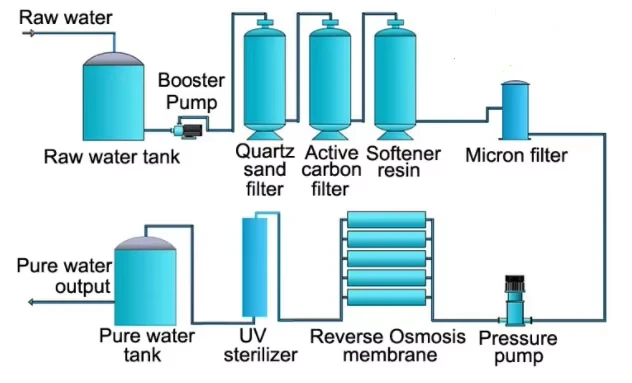
Unlike basic carbon filters that only improve taste, our under sink reverse osmosis water system uses a semi-permeable membrane to remove invisible dissolved contaminants:
* Sediment Pre-Filter (5µm): Captures rust, sand, silt, and particles
* Carbon Block Filter: Reduces chlorine, VOCs, pesticides, and bad odors
* Reverse Osmosis Membrane (Core): Rejects 95–99% of TDS-including lead, arsenic, fluoride, nitrate, chromium-6, and PFAS
* Post-Carbon Polisher: Removes any residual taste before water reaches your glass
* (Optional) Alkaline Remineralization: Adds back calcium, magnesium, and potassium for balanced pH and enhanced taste
All filters use quick-connect fittings-no tools, no leaks, no mess.
Choose the Right Fit for Your Kitchen
1. Standard 5-Stage RO with Storage Tank
* Best For: Budget-conscious homes, high daily usage
* Capacity: 50–100 gallons per day (stored in 3.2-gallon pressurized tank)
* Flow Rate: Instant access-no waiting
* Wastewater Ratio: 3:1 (3 gallons waste per 1 gallon pure water)
2. Tankless (Direct Flow) RO System
* Best For: Small sinks, modern kitchens, reduced water waste
* Flow Rate: Continuous 0.4–0.8 GPM-fills pots quickly
* Wastewater Ratio: As low as 1.5:1 with permeate pump
* Bonus Features: Built-in TDS meter, filter life indicator, leak alarm
Key Features & Benefits
Designed for Real Homes – Simple, Smart & Sustainable
Pre-treatment Section
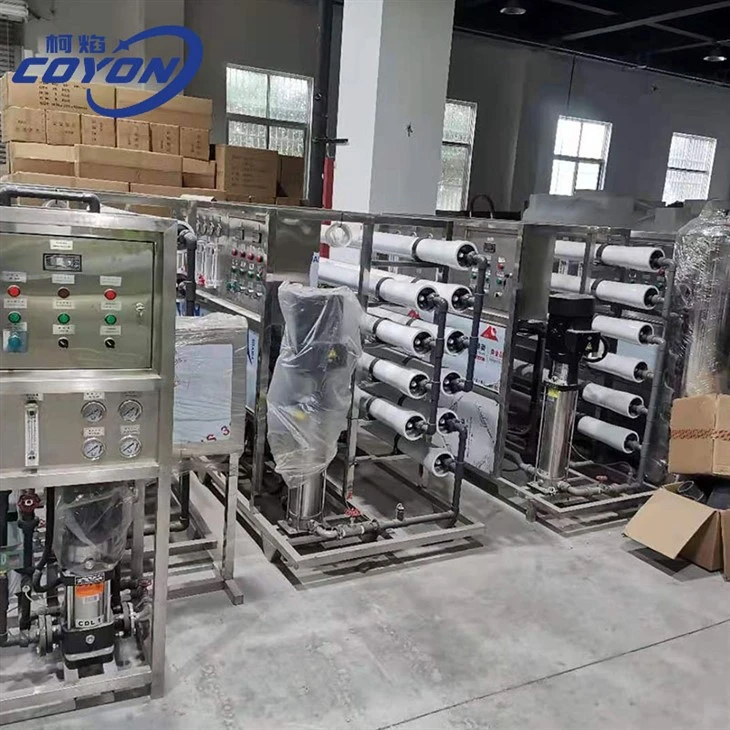
The under sink reverse osmosis system is equipped with a stainless steel quartz sand filter and an activated carbon filter to remove large particles, sediments, chlorine, odors, and organic compounds. This enhances the performance and lifespan of the RO membranes.
RO Membrane
The core of the system uses high-efficiency, low-pressure composite membranes (imported from the U.S.), capable of achieving a salt rejection rate of up to 99%. These membranes effectively remove over 97% of dissolved salts and 99% of colloids, bacteria, and organic matter.
Safety & Reliability
High/low pressure protection devices (imported from Korea) safeguard the system and reduce the risk of damage, ensuring stable performance and minimal downtime.
High-Quality Water Output
The treated water meets national standards for purified drinking water, making it suitable for both domestic and industrial use.
Technical Data
|
Model |
Productivity (T/H) |
Motor Power (KW) |
Recovery Rate (%) |
Outlet Water Conductivity (us/CM) |
Raw Water Conductivity (us/CM) |
|
CY-RO-500L |
0.5 |
1.5 |
50 |
≤10 |
≤300 |
|
CY-RO-1000L |
1 |
2.2 |
50 |
≤10 |
≤300 |
|
CY-RO-2000L |
2 |
3 |
50-60 |
≤10 |
≤300 |
|
CY-RO-3000L |
3 |
4.5 |
55-65 |
≤10 |
≤300 |
|
CY-RO-4000L |
4 |
6.5 |
55-65 |
≤10 |
≤300 |
|
CY-RO-5000L |
5 |
8 |
60-70 |
≤10 |
≤300 |
|
CY-RO-10000L |
10 |
15 |
60-70 |
≤10 |
≤300 |
|
CY-RO-20000L |
20 |
22 |
65-75 |
≤10 |
≤300 |
|
CY-RO-30000L |
30 |
26 |
70-75 |
≤10 |
≤300 |
|
CY-RO-50000L |
50 |
55 |
70-75 |
≤10 |
≤300 |


Under Sink Reverse Osmosis Water System Composition
| 1. Raw Water Pump | 5. Softener | 9. Automatic Backwash System |
| 2. Quartz Sand Filter | 6. 5μm Precision | 10. UV Sterilizer |
| 3. Activated Carbon Filter | 7. High-Pressure Pump | 11. Product Water Storage Tank |
| 4. Chemical Dosing | 8. Reverse Osmosis Membranes | 12. Complete Pipeline and Fittings |


FAQ
Q1: Does RO water remove healthy minerals?
A: Yes-RO removes calcium, magnesium, and other dissolved minerals. However:
- You get >95% of essential minerals from food, not water
- For those who prefer mineral-enhanced water, we offer an optional alkaline remineralization stage that adds back beneficial minerals and balances pH to 7.5–8.5.
Q2: How much wastewater does it produce?
A: Traditional tank systems: ~3–4 gallons waste per 1 gallon pure water.
Our tankless models with permeate pumps: as low as 1.5:1.
Tip: Use reject water for watering plants, cleaning floors, or flushing toilets-nothing goes to waste!
Q3: Is RO water safe to drink long-term?
A: Yes. The World Health Organization (WHO) confirms that low-mineral water from RO is safe for regular consumption. Millions drink it daily in homes, hospitals, and offices worldwide. If you want added minerals, choose our remineralization upgrade.
Q4: How often do I replace filters?
A: - Sediment & carbon pre-filters: Every 6–12 months
- RO membrane: Every 2–3 years
- Post-carbon filter: Every 12 months


