

As a supplier of Resin Filter Water Softeners, I often receive inquiries from customers in areas with high-lead water about whether our products can be used effectively in such conditions. This is a crucial question, considering the potential health risks associated with lead exposure. In this blog, I will delve into the topic, exploring the capabilities of resin filter water softeners in high-lead water areas.
Understanding Lead in Water
Lead is a toxic heavy metal that can enter water supplies through various means, such as old plumbing systems, lead pipes, and industrial discharges. Even low levels of lead exposure can have serious health effects, especially on children, pregnant women, and the elderly. Symptoms of lead poisoning may include developmental delays, learning difficulties, high blood pressure, and kidney damage. Therefore, it is essential to ensure that the water we consume is free from lead contamination.
How Resin Filter Water Softeners Work
Resin filter water softeners are designed to remove hardness-causing minerals, such as calcium and magnesium, from water. They work based on the principle of ion exchange. The resin beads inside the softener are charged with sodium ions. When hard water passes through the resin tank, the calcium and magnesium ions in the water are exchanged for sodium ions on the resin beads. This process effectively softens the water, reducing scale buildup in pipes and appliances.
A Resin Water Filter is an integral part of the water softening system. It helps to trap and remove impurities and contaminants from the water before it enters the resin tank. This not only protects the resin beads from fouling but also improves the overall performance of the water softener.
The Resin Filter Water Softener is a comprehensive solution that combines the functions of water filtration and softening. It is designed to provide high-quality, softened water for residential and commercial applications.
The Water Softener Resin Tank is the heart of the water softening system. It contains the resin beads that perform the ion exchange process. The size and capacity of the resin tank determine the amount of water that can be softened before the resin needs to be regenerated.
Can Resin Filter Water Softeners Remove Lead?
The primary function of a resin filter water softener is to remove hardness-causing minerals from water. While some resin filter water softeners may have a limited ability to remove lead, they are not specifically designed for this purpose. The ion exchange process in a water softener is mainly focused on exchanging calcium and magnesium ions for sodium ions. Lead ions have a different charge and chemical properties compared to calcium and magnesium ions, so the resin beads in a standard water softener may not be as effective in removing lead.
However, there are some specialized resin filter water softeners that are designed to remove lead and other heavy metals from water. These softeners use a different type of resin that has a higher affinity for lead ions. The resin beads in these softeners are treated with a special coating or chemical that allows them to selectively adsorb lead ions from the water.
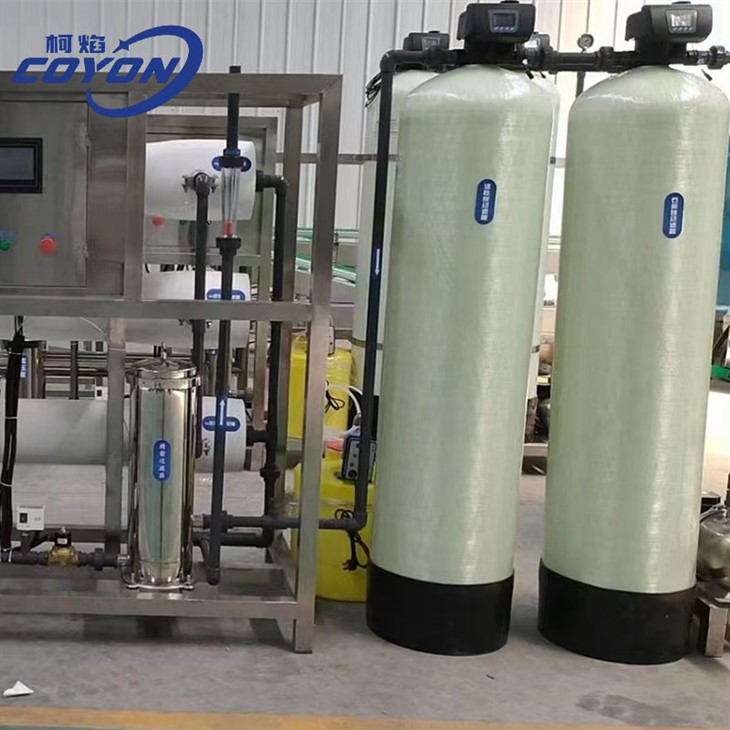

It is important to note that the effectiveness of a resin filter water softener in removing lead depends on several factors, such as the type and quality of the resin, the concentration of lead in the water, and the flow rate of the water through the softener. In areas with high-lead water, it is recommended to use a water softener that is specifically designed for lead removal and to have the water tested regularly to ensure that the lead levels are within the acceptable limits.
Considerations for Using Resin Filter Water Softeners in High-Lead Water Areas
If you are considering using a resin filter water softener in an area with high-lead water, there are several factors to keep in mind:
- Water Testing: Before installing a water softener, it is essential to have your water tested to determine the lead levels and other contaminants. This will help you choose the right type of water softener and ensure that it is capable of removing the specific contaminants in your water.
- Selecting the Right Softener: Look for a resin filter water softener that is specifically designed for lead removal. These softeners are typically labeled as "lead-removing" or "heavy metal-removing" water softeners. Make sure to choose a softener that has been tested and certified by a reputable organization, such as the National Sanitation Foundation (NSF).
- Regular Maintenance: To ensure the optimal performance of your water softener, it is important to follow the manufacturer's recommended maintenance schedule. This may include regular resin regeneration, filter replacement, and water testing.
- Combination with Other Treatment Methods: In some cases, a resin filter water softener may need to be combined with other water treatment methods, such as activated carbon filtration or reverse osmosis, to achieve the desired level of lead removal. These additional treatment methods can help to further reduce the lead levels in the water and provide a more comprehensive solution for water purification.
Conclusion
In conclusion, while a standard resin filter water softener may not be sufficient to remove lead from high-lead water, there are specialized softeners available that are designed for this purpose. If you live in an area with high-lead water, it is important to have your water tested and to choose a water softener that is specifically designed to remove lead. By following the proper installation, maintenance, and testing procedures, you can ensure that your water softener provides high-quality, softened water that is safe for consumption.
If you are interested in learning more about our Resin Filter Water Softeners or have any questions about using them in high-lead water areas, please feel free to contact us. Our team of experts is available to provide you with detailed information and guidance on choosing the right water treatment solution for your needs. We look forward to the opportunity to work with you and help you achieve clean, safe, and softened water.
References
- World Health Organization. (2011). Guidelines for drinking-water quality.
- U.S. Environmental Protection Agency. (2021). Lead and copper rule.
- National Sanitation Foundation. (2022). NSF/ANSI 44: Residential cation exchange water softeners.