

When it comes to water filtration systems, resin plays a crucial role, especially in water softening processes. As a leading supplier of Resin Water Filter, I've witnessed firsthand the importance of understanding the difference between strong - base and weak - base resins in water filters. This knowledge can significantly impact the efficiency and effectiveness of water treatment, ensuring that the end - user gets the best possible water quality.
Understanding Resin in Water Filters
Resin in water filters is a key component that helps in removing various contaminants from water. It operates on the principle of ion exchange, where the resin exchanges ions with the contaminants in the water. This process is vital for water softening, as it removes hardness - causing ions such as calcium and magnesium. Resin can be classified into two main types: strong - base and weak - base resins, each with its own unique characteristics and applications.
Strong - Base Resin in Water Filters
Strong - base resins are known for their high capacity and efficiency in ion exchange. They are typically made from a styrene - divinylbenzene copolymer matrix with quaternary ammonium functional groups. These functional groups are highly reactive and can exchange ions over a wide pH range, usually from 0 to 14.
One of the main advantages of strong - base resins is their ability to remove a wide variety of anions from water. They are particularly effective in removing chloride, sulfate, nitrate, and carbonate ions. This makes them ideal for applications where a high level of water purification is required, such as in industrial water treatment plants and some high - end residential water filtration systems.
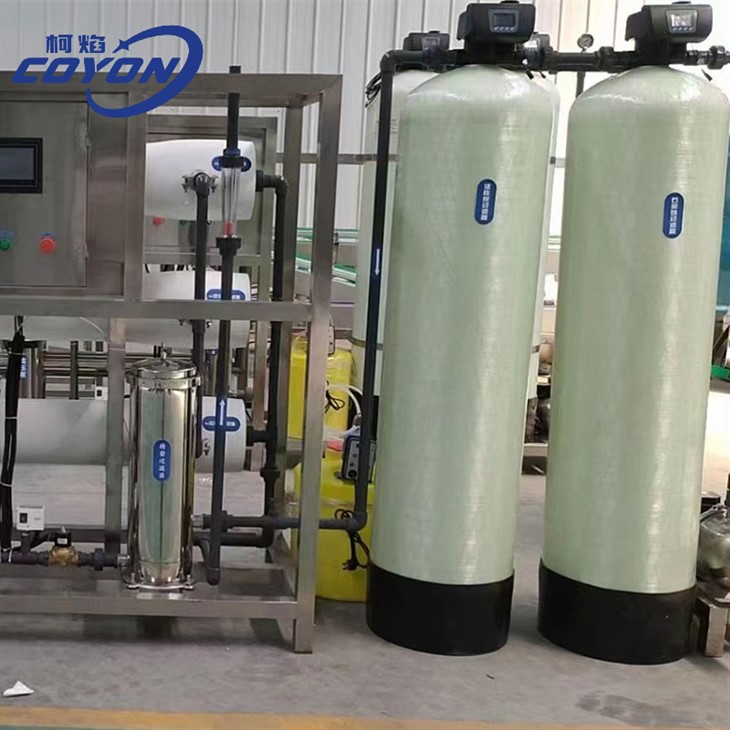
In a Water Softener Resin Tank, strong - base resins can work continuously to remove unwanted anions, ensuring that the water leaving the tank is of high quality. However, strong - base resins also have some limitations. They require a relatively large amount of regenerant, usually sodium chloride or potassium chloride, during the regeneration process. This can increase the operating cost and also generate a significant amount of waste brine.
Weak - Base Resin in Water Filters
Weak - base resins, on the other hand, are made from a similar styrene - divinylbenzene copolymer matrix but with primary, secondary, or tertiary amine functional groups. These functional groups are less reactive compared to those in strong - base resins and are only effective in a limited pH range, typically from 4 to 10.
Weak - base resins are mainly used for the removal of weak acid anions, such as carbonic acid and organic acids. They are not as effective as strong - base resins in removing strong acid anions like chloride and sulfate. However, they have some distinct advantages. One of the most significant advantages is their low regenerant requirement. Weak - base resins can be regenerated with a much smaller amount of regenerant compared to strong - base resins, which can lead to cost savings and less waste generation.
In a Resin Filter Water Softener, weak - base resins can be used in combination with strong - base resins to achieve a more comprehensive water treatment. For example, weak - base resins can be used to pre - treat the water, removing weak acid anions before the water passes through the strong - base resin bed. This can extend the life of the strong - base resin and improve the overall efficiency of the water softening process.
Performance Comparison
When comparing the performance of strong - base and weak - base resins, several factors need to be considered.
Capacity
Strong - base resins generally have a higher ion - exchange capacity than weak - base resins. This means that they can remove more contaminants per unit volume of resin. However, this high capacity also comes with a higher cost, both in terms of resin purchase and regenerant consumption.
Selectivity
Strong - base resins are non - selective and can remove a wide range of anions. Weak - base resins, on the other hand, are more selective and are mainly effective against weak acid anions. This selectivity can be an advantage in some applications where specific contaminants need to be targeted.
Regeneration
As mentioned earlier, strong - base resins require a large amount of regenerant, while weak - base resins have a much lower regenerant requirement. This difference in regeneration needs can have a significant impact on the operating cost and environmental footprint of the water filtration system.
pH Sensitivity
Strong - base resins can operate over a wide pH range, while weak - base resins are limited to a narrower pH range. This means that strong - base resins are more versatile and can be used in a wider variety of water sources, but weak - base resins may require more careful control of the water pH during the treatment process.
Applications in Different Settings
Industrial Applications
In industrial settings, strong - base resins are often used in applications where a high level of water purity is required, such as in power generation plants, pharmaceutical manufacturing, and electronics production. These industries need to remove a wide range of contaminants from the water to ensure the proper functioning of their equipment and the quality of their products.

Weak - base resins, on the other hand, are used in industrial processes where the removal of weak acid anions is the main concern, such as in the treatment of boiler feedwater and some chemical manufacturing processes.
Residential Applications
In residential water filtration systems, the choice between strong - base and weak - base resins depends on the specific water quality issues in the area. If the water has a high concentration of strong acid anions, a strong - base resin may be more suitable. However, if the water mainly contains weak acid anions or if cost - effectiveness is a major concern, a weak - base resin or a combination of both resins may be a better choice.
Conclusion
In summary, the difference between strong - base and weak - base resins in a water filter lies in their chemical structure, ion - exchange capacity, selectivity, regenerant requirement, and pH sensitivity. Each type of resin has its own advantages and limitations, and the choice between them depends on the specific water treatment needs, including the type and concentration of contaminants in the water, the desired water quality, and the operating cost.
As a supplier of Resin Water Filter, we understand the importance of providing the right resin solution for our customers. Whether you need a high - capacity strong - base resin for industrial water treatment or a cost - effective weak - base resin for your home water filter, we have the expertise and products to meet your needs.
If you are interested in learning more about our resin water filters or would like to discuss your specific water treatment requirements, we encourage you to contact us for a detailed consultation. Our team of experts is ready to assist you in selecting the most suitable resin for your water filtration system and ensuring that you get the best possible water quality.
References
- AWWA (American Water Works Association). Water Quality and Treatment: A Handbook of Community Water Supplies. McGraw - Hill, 2017.
- Crittenden, John C., et al. Water Treatment: Principles and Design. Wiley, 2012.
- Snoeyink, Vernon L., and David Jenkins. Water Chemistry. Wiley, 1980.