

Hey there! As a supplier of Chemical Dosing Storage Tanks, I've seen firsthand the headaches that can come from dealing with microbial growth in these tanks. Microorganisms can cause all sorts of problems, from clogging up the system to creating a health hazard. So, in this blog post, I'm gonna share some tips on how to prevent the growth of microorganisms in chemical dosing storage tanks.
Understanding the Problem
First things first, let's talk about why microorganisms love to grow in chemical dosing storage tanks. These tanks provide the perfect environment for microbes: they're often warm, moist, and filled with nutrients. Plus, if the tank isn't properly cleaned and maintained, it can become a breeding ground for bacteria, fungi, and other nasties.
Microbial growth can lead to a range of issues. For starters, it can cause the chemicals in the tank to break down, reducing their effectiveness. This can be a major problem, especially if you're using the chemicals for critical applications like water treatment or industrial processes. Additionally, microbial growth can clog up the dosing system, leading to reduced flow rates and potential equipment damage. And let's not forget about the health risks. Some microorganisms can produce toxins that can be harmful to humans and animals, so it's important to keep them in check.
Proper Tank Design
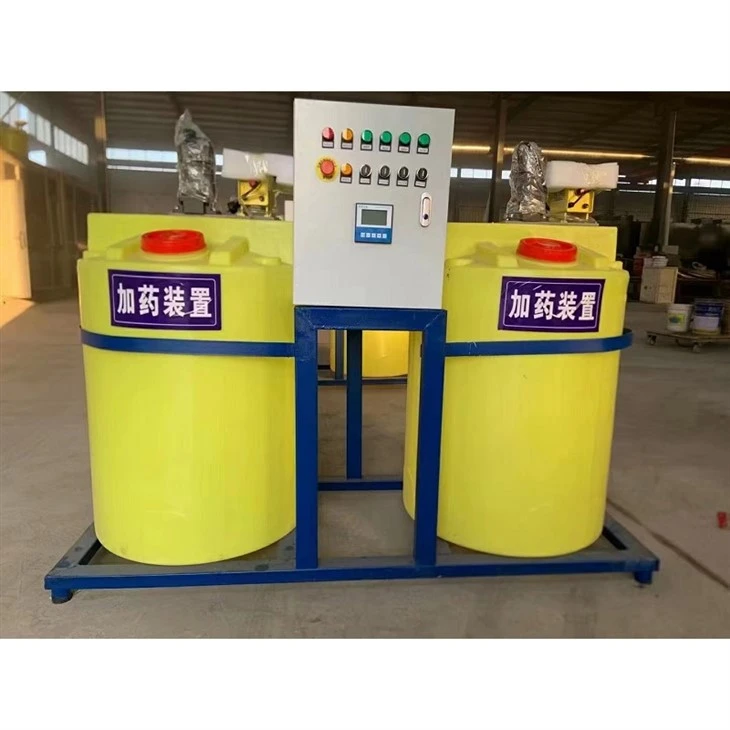
One of the best ways to prevent microbial growth is to start with a well-designed tank. When choosing a Chemical Dosing Storage Tanks, look for one that's made from materials that are resistant to microbial growth. For example, Chemical Dosing PE Tanks are a popular choice because they're made from polyethylene, which is non-porous and不易滋生微生物.
The tank should also have a smooth interior surface. Rough surfaces can provide hiding places for microorganisms, making it harder to clean the tank effectively. Additionally, the tank should be designed with proper drainage to prevent the accumulation of water, which can create a moist environment that's perfect for microbial growth.
Another important aspect of tank design is the location of the inlet and outlet ports. These ports should be positioned in a way that allows for proper mixing of the chemicals in the tank. This helps to prevent the formation of stagnant areas where microorganisms can thrive.
Regular Cleaning and Maintenance
Regular cleaning and maintenance are essential for preventing microbial growth in chemical dosing storage tanks. How often you need to clean the tank will depend on a variety of factors, including the type of chemicals being stored, the frequency of use, and the environmental conditions. As a general rule, it's a good idea to clean the tank at least once a year, but more frequent cleaning may be necessary in some cases.
When cleaning the tank, it's important to use the right cleaning agents. Avoid using harsh chemicals that can damage the tank or the chemicals being stored. Instead, opt for mild detergents or specialized tank cleaning solutions. Make sure to follow the manufacturer's instructions when using these products.
In addition to cleaning the tank itself, you also need to clean the dosing system. This includes the pumps, valves, and pipes. These components can also accumulate microorganisms, so it's important to clean them regularly to prevent clogs and other issues.
Chemical Treatment
Chemical treatment is another effective way to prevent microbial growth in chemical dosing storage tanks. There are a variety of chemicals available that can be used to kill or inhibit the growth of microorganisms. Some common examples include chlorine, bromine, and hydrogen peroxide.
When using chemical treatments, it's important to follow the manufacturer's instructions carefully. Overdosing can be harmful to the tank and the chemicals being stored, while underdosing may not be effective in preventing microbial growth. Additionally, you need to make sure that the chemical treatment is compatible with the chemicals being stored in the tank.
Monitoring and Testing
Regular monitoring and testing are important for detecting microbial growth in chemical dosing storage tanks early on. This allows you to take action before the problem becomes too serious. There are a variety of methods available for monitoring and testing, including visual inspections, microbial testing kits, and online monitoring systems.
Visual inspections are a simple and cost-effective way to check for signs of microbial growth. Look for things like discoloration, slime, or an unpleasant odor. If you notice any of these signs, it's important to take action immediately.
Microbial testing kits are another option for monitoring microbial growth. These kits allow you to test the water or chemicals in the tank for the presence of microorganisms. They're relatively easy to use and can provide quick results.
Online monitoring systems are a more advanced option for monitoring microbial growth. These systems use sensors to continuously monitor the water or chemicals in the tank for the presence of microorganisms. They can provide real-time data, allowing you to detect problems early on and take action quickly.
Employee Training
Finally, it's important to train your employees on the proper procedures for preventing microbial growth in chemical dosing storage tanks. This includes things like proper cleaning and maintenance techniques, chemical handling procedures, and monitoring and testing methods.

By providing your employees with the knowledge and skills they need to prevent microbial growth, you can help to ensure the safety and effectiveness of your chemical dosing system. Make sure to provide regular training updates to keep your employees up-to-date on the latest best practices.
Conclusion
Preventing the growth of microorganisms in chemical dosing storage tanks is essential for ensuring the safety and effectiveness of your chemical dosing system. By following the tips outlined in this blog post, you can reduce the risk of microbial growth and keep your tank and dosing system in good working condition.
If you're in the market for Chemical Dosing Storage Tanks or need help with preventing microbial growth in your existing tanks, feel free to reach out to us. We're here to help you find the right solutions for your needs.
References
- [Title of relevant book], [Author], [Year of publication]
- [Title of relevant research paper], [Author], [Journal name], [Year of publication]