

As a supplier of seawater RO systems, I've seen firsthand the challenges and opportunities that come with operating these systems efficiently. In this blog post, I'll share some tips on how to optimize the operation of a seawater RO system, based on my experience in the industry.

Understanding the Basics of Seawater RO Systems
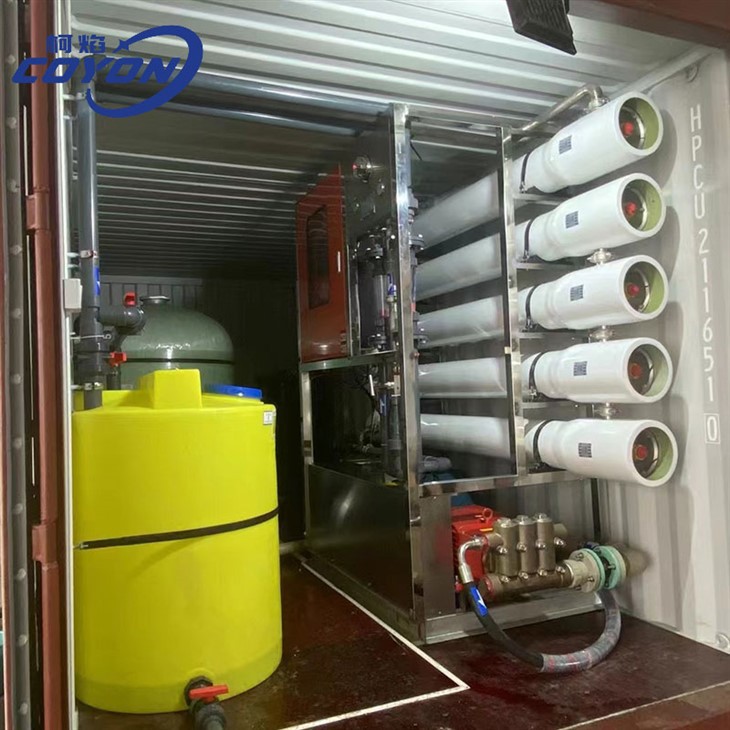
Before we dive into optimization strategies, let's quickly review how seawater RO systems work. Reverse osmosis (RO) is a process that uses a semi-permeable membrane to remove salts and other impurities from seawater, producing fresh, potable water. Seawater is first pre-treated to remove large particles and organic matter, then pressurized and forced through the RO membrane. The membrane allows water molecules to pass through while blocking salts and other contaminants, resulting in a stream of purified water and a concentrated brine stream.
Pre-Treatment Optimization
One of the most critical aspects of operating a seawater RO system is proper pre-treatment. Pre-treatment helps protect the RO membrane from fouling and scaling, which can reduce system performance and increase maintenance costs. Here are some key pre-treatment steps to consider:
- Filtration: Use multi-media filters or cartridge filters to remove large particles and suspended solids from the seawater. This helps prevent damage to the RO membrane and reduces the risk of fouling.
- Coagulation and Flocculation: Add coagulants and flocculants to the seawater to help agglomerate small particles and organic matter, making them easier to remove by filtration.
- Antiscalants: Add antiscalants to the seawater to prevent the formation of scale on the RO membrane. Scale can reduce membrane performance and increase energy consumption.
- Chlorination: Chlorinate the seawater to kill bacteria and other microorganisms that can cause fouling and biofilm formation on the RO membrane. However, be careful not to over-chlorinate, as this can damage the membrane.
Membrane Selection and Maintenance
The choice of RO membrane is crucial for the performance and efficiency of a seawater RO system. Different membranes have different characteristics, such as salt rejection rate, flux, and fouling resistance. When selecting a membrane, consider the quality of the seawater, the desired product water quality, and the operating conditions of the system.
Once the membrane is installed, proper maintenance is essential to ensure its long-term performance. Here are some maintenance tips:
- Regular Cleaning: Clean the RO membrane regularly to remove fouling and scaling. This can be done using chemical cleaning agents or physical cleaning methods, such as backwashing or air scouring.
- Monitoring and Analysis: Monitor the performance of the RO system regularly, including parameters such as salt rejection rate, flux, and pressure drop. Analyze the data to detect any trends or issues that may require attention.
- Membrane Replacement: Replace the RO membrane when its performance deteriorates beyond acceptable levels. This can help maintain the efficiency and reliability of the system.
Energy Optimization
Seawater RO systems are energy-intensive, as they require high pressure to force the seawater through the RO membrane. Therefore, energy optimization is an important aspect of operating a seawater RO system. Here are some energy-saving strategies:
- High-Efficiency Pumps: Use high-efficiency pumps to reduce energy consumption. Variable frequency drives (VFDs) can also be used to adjust the pump speed based on the system demand, further reducing energy usage.
- Energy Recovery Devices: Install energy recovery devices, such as pressure exchangers or turbochargers, to recover energy from the concentrated brine stream and use it to pressurize the incoming seawater. This can significantly reduce the energy requirements of the system.
- System Design Optimization: Optimize the system design to minimize pressure losses and improve the overall efficiency of the system. This can include using shorter piping lengths, larger diameter pipes, and proper valve sizing.
Operational Monitoring and Control
Continuous monitoring and control of the seawater RO system are essential to ensure its optimal operation. Here are some key monitoring and control parameters to consider:
- Flow Rate: Monitor the flow rate of the seawater, product water, and brine stream to ensure that the system is operating within its design capacity.
- Pressure: Monitor the pressure at various points in the system, including the feed pressure, permeate pressure, and brine pressure. This can help detect any blockages or leaks in the system.
- Conductivity: Monitor the conductivity of the product water and brine stream to ensure that the RO membrane is performing properly and that the product water meets the desired quality standards.
- Temperature: Monitor the temperature of the seawater and product water, as temperature can affect the performance of the RO membrane. Adjust the operating conditions as needed to maintain optimal temperature.
Training and Education
Proper training and education of the system operators are crucial for the successful operation of a seawater RO system. Operators should be familiar with the system components, operating procedures, and maintenance requirements. They should also be trained to troubleshoot common problems and perform basic repairs.
In addition to operator training, it's also important to stay up-to-date with the latest technologies and best practices in seawater RO system operation. Attend industry conferences, workshops, and training courses to learn about new developments and share experiences with other professionals.
Conclusion
Optimizing the operation of a seawater RO system requires a comprehensive approach that includes pre-treatment optimization, membrane selection and maintenance, energy optimization, operational monitoring and control, and training and education. By implementing these strategies, you can improve the performance, efficiency, and reliability of your seawater RO system, while reducing operating costs and environmental impact.
If you're interested in learning more about our Seawater Reverse Osmosis Desalination Plant or Seawater Desalination RO System, or if you have any questions about optimizing the operation of your seawater RO system, please don't hesitate to contact us. We'd be happy to discuss your specific needs and provide you with a customized solution.
References
- Crittenden, J. C., Trussell, R. R., Hand, D. W., Howe, K. J., & Tchobanoglous, G. (2012). MWH's Water Treatment: Principles and Design (3rd ed.). Wiley.
- Greenlee, L. F., Lawler, D. F., Freeman, B. D., Marrot, B., & Moulin, P. (2009). Reverse osmosis desalination: Water sources, technology, and today's challenges. Water Research, 43(9), 2317-2348.
- Nghiem, L. D., Schäfer, A. I., & Elimelech, M. (2012). Advances in forward osmosis: Opportunities and challenges. Journal of Membrane Science, 411-412, 1-21.