

As a supplier of Resin Filter Water Softeners, I often receive inquiries from customers about the safety precautions associated with using these systems. In this blog, I will delve into the various safety aspects that users should be aware of when operating a resin filter water softener.
Understanding the Basics of a Resin Filter Water Softener
Before discussing safety precautions, it's essential to understand how a resin filter water softener works. A resin filter water softener, such as the Resin Filter Water Softener, uses ion exchange resin to remove hard water minerals like calcium and magnesium from the water. The resin beads in the Water Softener Resin Tank attract and hold these minerals, replacing them with sodium ions. This process effectively softens the water, preventing scale buildup in pipes and appliances.

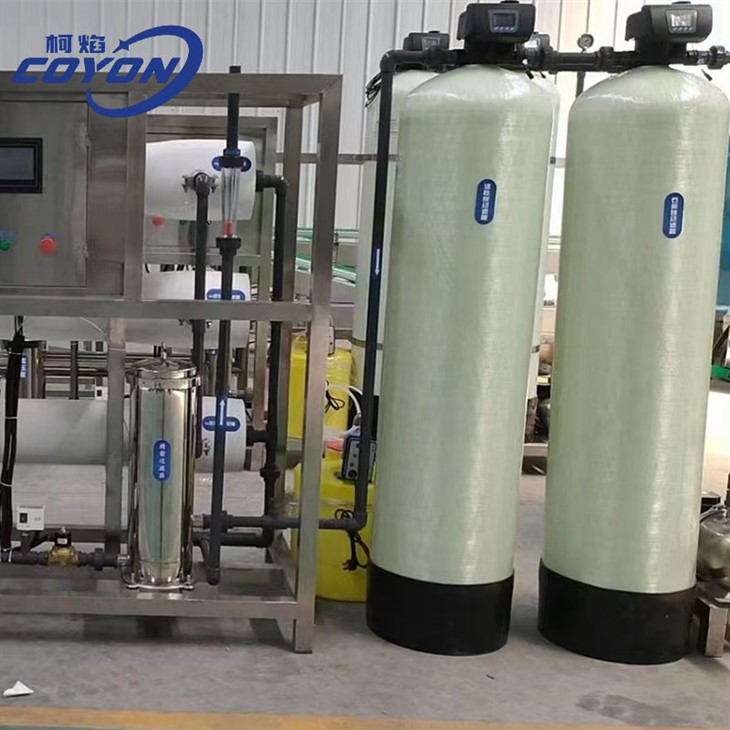
Safety Precautions During Installation
- Proper Location: Ensure that the water softener is installed in a well - ventilated area. Avoid placing it in areas prone to flooding or where it can be exposed to extreme temperatures. A suitable location will prevent damage to the equipment and ensure its optimal performance.
- Electrical Safety: If the water softener has an electrical component, such as a control valve, make sure it is installed by a qualified electrician. Follow all electrical codes and ensure that the power supply is properly grounded to prevent electrical shocks.
- Plumbing Connections: Use high - quality plumbing materials and make sure all connections are tight. Leaks can lead to water damage and may also affect the performance of the water softener. It's advisable to test the system for leaks after installation.
Safety Precautions During Operation
- Salt Handling: Most resin filter water softeners use salt to regenerate the resin beads. When handling salt, wear protective gloves to prevent skin irritation. Also, store the salt in a dry place to prevent clumping. If salt comes into contact with your eyes, rinse them immediately with plenty of water and seek medical attention if necessary.
- Regeneration Process: During the regeneration process, the water softener releases brine into the drain. Ensure that the drain is properly connected and can handle the flow of brine. Avoid using the softened water during the regeneration cycle, as it may contain high levels of salt.
- Monitoring Water Quality: Regularly test the water quality to ensure that the water softener is functioning properly. If the water hardness levels increase or if there are other signs of poor performance, it may indicate a problem with the system.
Safety Precautions for Maintenance
- Shutting Off the System: Before performing any maintenance on the water softener, shut off the power supply and the water supply. This will prevent any accidental activation of the system and reduce the risk of injury.
- Cleaning the Resin Tank: Periodically clean the Water Softener Resin Tank to remove any debris or sediment that may have accumulated. Use a mild detergent and follow the manufacturer's instructions for cleaning.
- Replacing Resin Beads: Over time, the resin beads may become exhausted and need to be replaced. When replacing the resin beads, follow the proper procedures to ensure that the new beads are installed correctly.
Health and Environmental Considerations
- Sodium Content: Softened water contains higher levels of sodium. Individuals on a low - sodium diet should be aware of this and may need to use an alternative water source for drinking.
- Environmental Impact: The brine produced during the regeneration process can have an environmental impact if not properly disposed of. Ensure that the brine is discharged into a suitable drain or treatment system to minimize its impact on the environment.
Conclusion
Using a resin filter water softener can provide many benefits, such as reducing scale buildup and improving the efficiency of appliances. However, it's crucial to follow the safety precautions outlined above to ensure the safe and proper operation of the system. If you have any questions or need further assistance regarding the safety of your resin filter water softener, feel free to contact us. We are a leading supplier of Resin Water Filter and related products, and we are committed to providing our customers with high - quality and safe water treatment solutions.
If you are interested in purchasing a resin filter water softener or have any questions about our products, please reach out to us. We are ready to assist you with your water treatment needs and guide you through the purchasing process.