

As a supplier of Chemical Dosing Storage Tanks, I understand the critical importance of preventing the contamination of chemicals in these storage tanks. Contamination can lead to a variety of issues, including product degradation, safety hazards, and regulatory non - compliance. In this blog, I will discuss several measures that can be taken to prevent chemical contamination in chemical dosing storage tanks.
1. Proper Tank Selection and Installation
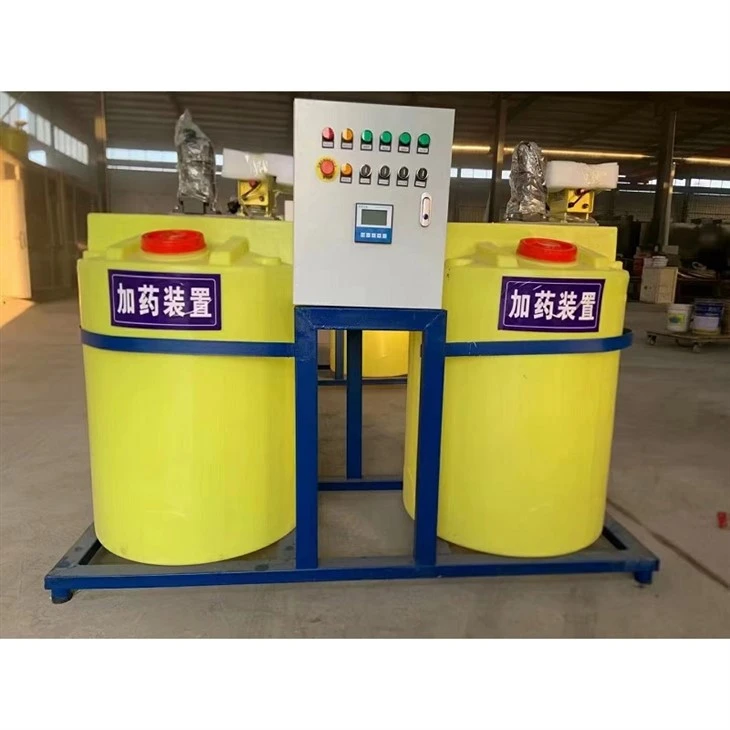
The first step in preventing chemical contamination is to choose the right storage tank. Different chemicals have different properties, such as corrosiveness, reactivity, and volatility. For example, highly corrosive chemicals like sulfuric acid require tanks made of materials that can resist corrosion, such as high - density polyethylene (HDPE). Our Chemical Dosing PE Tanks are an excellent choice for many corrosive chemicals due to their high chemical resistance.
During installation, it is essential to ensure that the tank is placed on a stable and level surface. Uneven surfaces can cause stress on the tank, leading to cracks or leaks, which can allow contaminants to enter. Additionally, the tank should be installed in an area that is protected from extreme weather conditions, such as direct sunlight, heavy rain, or strong winds. Exposure to these elements can cause the tank material to degrade over time, increasing the risk of contamination.
2. Regular Cleaning and Maintenance
Regular cleaning of the chemical dosing storage tank is crucial to prevent the buildup of contaminants. Over time, residues from previous chemicals, dirt, and debris can accumulate inside the tank. This buildup can not only contaminate new chemicals but also promote the growth of bacteria and other microorganisms.
A proper cleaning procedure should be established and followed. This may involve draining the tank completely, flushing it with an appropriate cleaning solution, and then rinsing it thoroughly with clean water. The frequency of cleaning depends on the type of chemical stored, the usage rate, and the environmental conditions. For example, tanks storing highly reactive chemicals may need to be cleaned more frequently than those storing less reactive substances.
In addition to cleaning, regular maintenance checks are necessary. Inspect the tank for signs of damage, such as cracks, leaks, or corrosion. Check the fittings, valves, and seals to ensure they are in good working condition. Any damaged components should be replaced immediately to prevent contamination.
3. Contamination - Free Filling and Transfer Processes
The process of filling and transferring chemicals into and out of the storage tank is a critical area where contamination can occur. To prevent this, it is important to use clean and dedicated equipment for each chemical. For example, using a separate pump and hoses for different chemicals can prevent cross - contamination.
Before filling the tank, the equipment should be thoroughly cleaned and inspected. The chemical should be transferred from its original container to the storage tank in a controlled environment. This may involve using a closed - loop system to minimize the exposure of the chemical to the air and potential contaminants.
When transferring chemicals out of the tank, the same precautions should be taken. The receiving container should be clean and suitable for the chemical being transferred. Additionally, the transfer process should be monitored to ensure that there are no spills or leaks.
4. Personnel Training
Proper training of personnel involved in handling chemical dosing storage tanks is essential. Employees should be educated about the properties of the chemicals they are handling, the potential hazards associated with contamination, and the correct procedures for tank operation, cleaning, and maintenance.
Training should cover topics such as personal protective equipment (PPE) usage, spill response procedures, and the importance of following safety protocols. By ensuring that employees are well - trained, the risk of human error leading to contamination can be significantly reduced.
5. Environmental Control
The environment in which the chemical dosing storage tank is located can have a significant impact on the risk of contamination. The storage area should be kept clean and free of debris. It should also be well - ventilated to prevent the buildup of fumes and vapors.
Temperature and humidity control are also important factors. Some chemicals are sensitive to temperature changes and can degrade if stored at inappropriate temperatures. Similarly, high humidity can cause corrosion and promote the growth of microorganisms. Therefore, it is important to maintain a stable environment within the storage area.
6. Monitoring and Testing
Regular monitoring and testing of the chemicals stored in the tank are necessary to detect any signs of contamination early. This can involve taking samples of the chemical at regular intervals and analyzing them for impurities, pH levels, and other relevant parameters.
If any signs of contamination are detected, immediate action should be taken. This may involve isolating the contaminated batch, disposing of it properly, and thoroughly cleaning the tank before refilling it with a new batch of chemicals.

7. Documentation and Record - Keeping
Maintaining detailed documentation of all activities related to the chemical dosing storage tank is essential. This includes records of tank cleaning, maintenance, chemical filling and transfer, and monitoring results. Documentation can help in identifying trends, tracking the history of the tank, and demonstrating compliance with regulatory requirements.
In conclusion, preventing the contamination of chemicals in chemical dosing storage tanks requires a comprehensive approach that includes proper tank selection and installation, regular cleaning and maintenance, contamination - free filling and transfer processes, personnel training, environmental control, monitoring and testing, and documentation. By implementing these measures, we can ensure the safety and quality of the chemicals stored in these tanks.
If you are in the market for high - quality Chemical Dosing Storage Tanks, our company offers a wide range of options, including the Dosing Tank 100Ltr for Chemicals. We are committed to providing reliable and contamination - resistant solutions for your chemical storage needs. If you have any questions or are interested in discussing your specific requirements, please feel free to reach out to us for a procurement discussion.