

Can a Home RO System Be Used in a Commercial Kitchen?
As a supplier of home RO (Reverse Osmosis) systems, I often get asked whether our home - grade RO systems can be used in a commercial kitchen. This is a valid question, considering the different requirements and usage patterns between a home and a commercial establishment. In this blog post, I'll delve into the aspects of using a home RO system in a commercial kitchen, weighing the pros and cons, and providing some insights to help you make an informed decision.

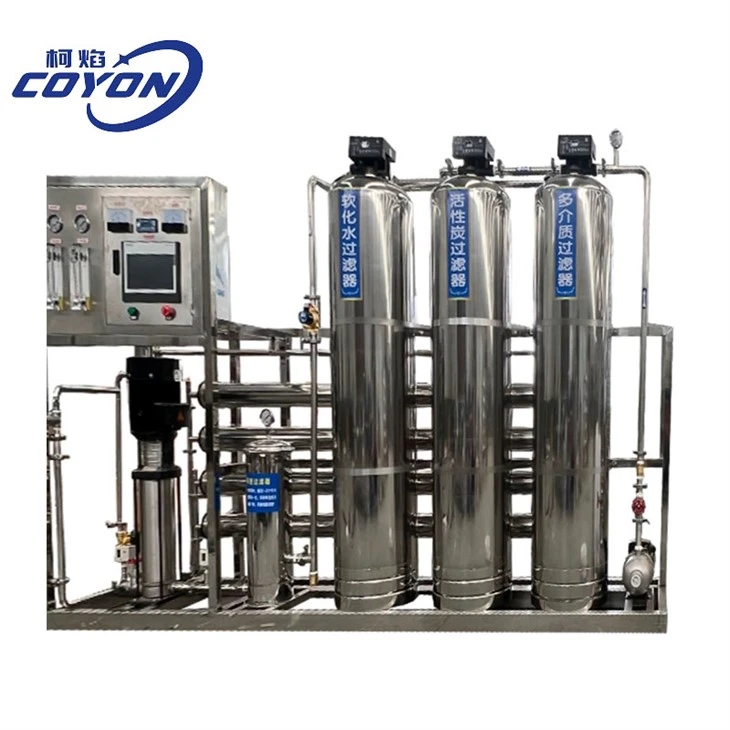
Understanding Reverse Osmosis Systems
Before we discuss the applicability of home RO systems in commercial kitchens, let's briefly understand how RO systems work. Reverse osmosis is a water purification process that uses a semi - permeable membrane to remove ions, molecules, and larger particles from water. In a typical RO system, water is forced through the membrane under pressure, leaving behind contaminants such as salts, heavy metals, and microorganisms.
Our company offers a range of home RO systems, including the Whole House Reverse Osmosis System, which can purify water for the entire household, and the Reverse Osmosis Water System for Home, designed for general home use. There's also the Reverse Osmosis Water Filter for Kitchen Sink, which is specifically tailored for kitchen applications in a home setting.
Advantages of Using a Home RO System in a Commercial Kitchen
- Cost - effective: Home RO systems are generally more affordable than commercial - grade systems. For small - scale commercial kitchens, such as a cozy café or a small diner, the initial investment in a home RO system can be significantly lower. This can be a great option for businesses on a tight budget, allowing them to allocate funds to other important aspects of the operation.
- Space - saving: Home RO systems are usually more compact in size compared to their commercial counterparts. In a commercial kitchen where space is often at a premium, a home RO system can be easily installed without taking up too much valuable floor or counter space. This can be especially beneficial for kitchens with limited square footage.
- Ease of installation: Most home RO systems are designed for easy DIY installation. Even if professional installation is required, it is typically less complex and time - consuming than installing a commercial system. This means less disruption to the normal operation of the kitchen during the installation process.
Limitations of Using a Home RO System in a Commercial Kitchen
- Water flow rate: Commercial kitchens have a much higher demand for water compared to homes. Home RO systems are designed to meet the relatively lower water consumption needs of a household. As a result, they may not be able to provide a sufficient flow rate to keep up with the continuous water requirements of a busy commercial kitchen. For example, in a large restaurant during peak hours, the need for water for cooking, cleaning, and beverage preparation can be substantial, and a home RO system may struggle to supply water at the necessary rate.
- Durability and reliability: Commercial kitchens operate for long hours and are subject to heavy usage. Home RO systems are not built to withstand the same level of wear and tear as commercial systems. The components of a home RO system may degrade more quickly under the high - volume and continuous use conditions of a commercial kitchen, leading to more frequent breakdowns and maintenance requirements.
- Contaminant removal capacity: Commercial water sources may contain higher levels of contaminants due to factors such as industrial runoff or heavy usage in the area. Home RO systems are calibrated to handle the typical levels of contaminants found in residential water supplies. In a commercial kitchen, there may be a need to remove more diverse and higher - concentration contaminants, and a home RO system may not be able to achieve the same level of purification as a commercial - grade system.
Considerations for Using a Home RO System in a Commercial Kitchen
- Size of the kitchen: If you have a very small commercial kitchen with a low water demand, such as a food truck or a small take - out joint, a home RO system may be a viable option. However, for larger kitchens with high - volume operations, a commercial system is likely to be more suitable.
- Budget: As mentioned earlier, cost is an important factor. If budget is a major constraint, a home RO system can provide a short - term solution. However, it's important to consider the long - term costs, including maintenance and potential replacement, when making a decision.
- Water quality requirements: Some commercial kitchens, such as those in high - end restaurants or bakeries, may have strict water quality requirements for their food and beverage preparation. In such cases, a home RO system may not be able to meet the desired water quality standards, and a commercial system should be considered.
Making the Right Choice
If you're considering using a home RO system in your commercial kitchen, it's crucial to conduct a thorough assessment of your kitchen's water needs. You can start by calculating your average daily water consumption, the types of contaminants in your water source, and your budget for the RO system.
In some cases, a hybrid approach may be a good solution. For example, you could use a home RO system for non - critical water uses, such as cleaning, while using a commercial system for water that is directly used in food and beverage preparation.
Contact for Purchase and Consultation
If you're still unsure whether a home RO system is suitable for your commercial kitchen or if you're interested in learning more about our home RO systems, I encourage you to reach out. We have a team of experts who can provide personalized advice based on your specific requirements. Whether you need more information on our Whole House Reverse Osmosis System, Reverse Osmosis Water System for Home, or Reverse Osmosis Water Filter for Kitchen Sink, we're here to help. Don't hesitate to contact us to start a discussion about your water purification needs.
References
- "Water Treatment Handbook", John Wiley & Sons. This comprehensive handbook provides in - depth information on different water treatment technologies, including reverse osmosis. It offers insights into the design, operation, and maintenance of RO systems for both residential and commercial applications.
- "Commercial Kitchen Design and Equipment", The American Culinary Federation. This resource focuses on the specific requirements of commercial kitchens, including water supply and purification. It helps in understanding the unique challenges faced by commercial kitchens in terms of water usage and quality.