


Industrial Chemical Dosing Pump for Water & Wastewater Treatment – Precision, Durability & Reliability
In water, wastewater, and industrial process applications, inconsistent chemical feed can lead to poor treatment performance, regulatory non-compliance, and unnecessary chemical waste. Our industrial-grade dosing pump for chemical delivers accurate, repeatable, and maintenance-friendly metering of aggressive chemicals-including acids, alkalis, coagulants (PAC), flocculants (PAM), disinfectants (sodium hypochlorite), antiscalants, and more. Engineered for 24/7 operation in harsh environments, our pumps are trusted by municipal plants, food processors, power stations, and EPC contractors worldwide.


Why Our Chemical Dosing Pumps Outperform Standard Models
* ±1% Flow Accuracy: Even under variable back pressure or viscosity-critical for pH control, disinfection, and polymer dosing.
* Corrosion-Resistant Wetted Parts: Diaphragms, valves, and heads in PTFE, PVDF, Santoprene, or Hastelloy-compatible with chlorine, sulfuric acid, caustic soda, and PAM.
* Multiple Drive Options: Solenoid, motor-driven (mechanical), or variable frequency (VFD) for precise flow control from 26L/h to 120L/h.
* Smart Integration Ready: 4–20mA, pulse, or Modbus input/output for seamless connection to PLCs, SCADA, or IoT platforms.
* Low Maintenance Design: Leak-proof diaphragm technology eliminates packing seals; easy calibration without tools.
* Global Certifications: CE, ATEX (optional), ISO 9001, and compliant with ANSI/HI 7.6 standards.
Types of Chemical Dosing Pumps Available
We supply and customize two main types based on your application needs:
1. Solenoid-Driven Metering Pumps: Ideal for low-flow, intermittent dosing (e.g., pH adjustment, antiscalant in RO systems). Compact, energy-efficient, and cost-effective for flows up to 26 L/h.
2. Motor-Driven (Mechanical) Diaphragm Metering Pumps: Built for continuous, high-pressure applications (up to 20 bar). Perfect for PAC/PAM dosing, chlorine feed, and sludge conditioning. Flow range: 5–5,000 L/h.
Where Are These Dosing Pumps Used?
* Municipal Wastewater: Sodium hypochlorite disinfection, PAC coagulation, NaOH pH correction
* Drinking Water Plants: Fluoride, chlorine, phosphate dosing
* Industrial Effluent: Acid/alkali neutralization, heavy metal precipitation
* Food & Beverage: CIP cleaning chemical dosing (caustic, nitric acid)
* Power & Desalination: Antiscalant, dechlorination (sodium bisulfite), oxygen scavenger feed
* Sludge Treatment: Cationic PAM injection before belt press or centrifuge


Key Technical Parameters
| Model |
Flow Quantity (L/H) |
Power (W) |
Diaphragm Diameter (MM) |
The Highest Uttars Pressure |
Flow Adjustment | Pump Head Material | Connection Mode | |
| Hose | Hard Tube | |||||||
| OP10 | 26 | 60 | 64 | 10 | Adjustable whilst operation | PPG/PTFE/SUS304 |
Inner diameter 9mm, Outer diameter: 15mm |
DN15 |
| OP20 | 40 | 60 | 64 | 10 | ||||
| OP30 | 50 | 60 | 64 | 10 | ||||
| OP50 | 70 | 60 | 64 | 6 | ||||
| OP90 | 89 | 60 | 64 | 3 | ||||
| OP90-B | 100 | 60 | 64 | 3 | ||||
| OP120 | 120 | 60 | 64 | 3 | ||||
Flow Components Material
| Material | Acids | Alkali class | Mucus and grout | Acid kind | Solvent |
| Pump Head | PPG/PVC | PPG/PVC | PPG/PVC | PVDF/PTFE | SUS316/304 |
| Ball Valve | Ceramic | Ceramic | SUS316 | Ceramic | SUS316/304 |
| Ball Seat | PPG/PVC | PPG/PVC | PPG/PVC | PVDF/PTFE | SUS316/304 |
| O-rings | Fluorine rubber | Fluorine rubber | EPDM | Fluorine rubber | -- |
| Diaphragm | PTFE+NBR | ||||
| Typical Cases | ① Acids: Sulfuric acid, Hydrochloric acid, hypochlorous; ② Alkali class: Hydrogen oxidation ③ Mucus and grout: PAC, PAM ④ Acid kind: Sulfuric acid, Hydrofluoric acid ⑤ Solvent: Organic solvent |
||||
Engineered for Real-World Demands
Unlike generic suppliers, we specialize in water treatment applications. Every dosing pump is selected or customized based on:
* Your specific chemical (we review SDS for compatibility)
* Operating pressure and flow requirements
* Ambient conditions (outdoor, humid, explosive zones)
* Integration with existing control systems

We also offer:
* Free pump sizing & selection support
* Pre-assembled skids with tanks, mixers, and controls
* On-site commissioning and operator training
* 2-year warranty and global spare parts network
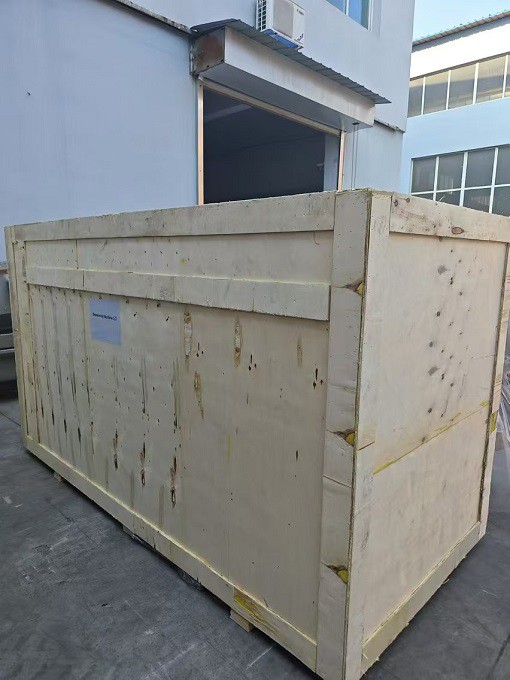
Packages of Dosing Pump For Chemical


Our Certificates


Get the Right Dosing Pump-Not Just the Cheapest
Avoid downtime, leaks, and overdosing. Let our water treatment engineers recommend a dosing pump for chemical that matches your chemical, flow, and reliability needs.
Request Pump Selection Assistance & Quote
Frequently Asked Questions
Q1: What's the difference between a solenoid pump and a motor-driven dosing pump?
A: Solenoid pumps use an electromagnetic coil to drive the diaphragm-ideal for low-flow, intermittent dosing (e.g., RO antiscalant). Motor-driven pumps use a camshaft for smooth, continuous stroke-better for high-pressure or viscous chemicals like PAM. We'll help you choose based on your application.
Q2: Can your pumps handle sodium hypochlorite without degradation?
A: Yes. We use PTFE diaphragms and PVDF or Kynar pump heads, which resist chlorine attack. We also recommend degassing valves to prevent gas lock-a common cause of failure in bleach dosing.
Q3: Do you offer explosion-proof (ATEX) models?
A: Absolutely. For applications in hazardous areas (e.g., chemical storage rooms), we provide ATEX-certified pumps with intrinsically safe motors and certifications for Zone 1/2.


